
Written by Five Star Roofing | Published on June 2025
A professionally restored roof typically goes from cracked, moss-covered, and faded to clean, resealed, and freshly painted within 2 to 4 days. Homeowners across NSW, QLD, and ACT commonly report a 10 to 20 year extension in roof lifespan after a full restoration. This article walks you through exactly what changes before and after the process, what it costs, and what warning signs mean you need restoration now rather than later.
Understand What Roof Restoration Actually Involves
Roof restoration is not a simple repaint. It is a multi-stage process that addresses the structural condition of your roof before any coating or colour is applied.
A standard restoration for a tiled roof in Australia includes the following steps in order:
- High-pressure washing to remove moss, lichen, dirt, and old flaking paint
- Inspection and replacement of cracked, broken, or slipped tiles
- Re-bedding and re-pointing of ridge capping with flexible pointing compound
- Application of a primer coat to seal the tile surface
- Application of 2 to 3 coats of roof membrane or paint in your chosen colour
Colorbond and metal roofs follow a similar process but skip re-bedding and pointing. Instead, they involve rust treatment, sealing of laps and screws, and a compatible metal roof coating.
Five Star Roofing follows this full process on every job. Skipping steps like re-pointing is a common shortcut that leads to early failure.
See the Typical Before and After Results Homeowners Experience
The visual and structural difference after a proper restoration is significant. Here is what changes in each area of the roof:
| Roof Area | Before Restoration | After Restoration |
|---|---|---|
| Tile surface | Faded, porous, moss-covered | Sealed, uniform colour, moss-resistant |
| Ridge capping | Cracked mortar, loose caps | Re-pointed with flexible compound, secure |
| Gutters and valleys | Blocked with debris, rusted | Cleared and checked for correct drainage |
| Roof colour | Patchy, sun-bleached | Fresh, even coat in new or matching colour |
| Interior ceiling | Water stains, potential moisture | Leaks resolved, no new moisture ingress |
| Roof structure | Possible soft spots or sagging | Damaged tiles replaced, structure assessed |
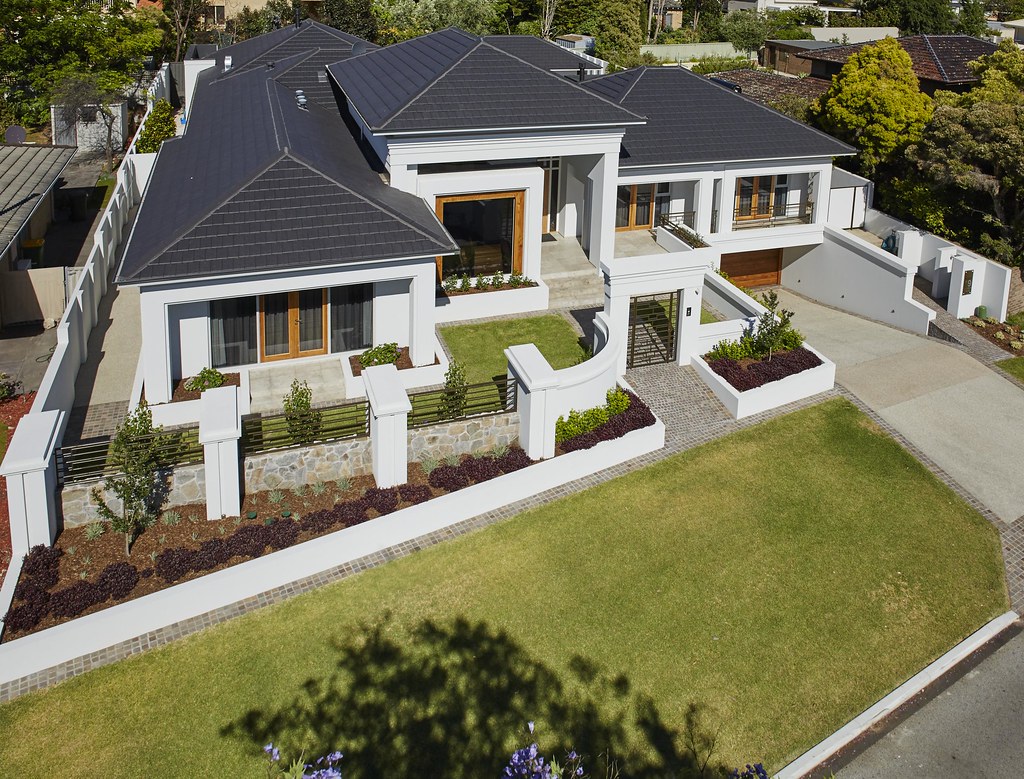
Most homeowners are surprised by how much the curb appeal improves. A freshly restored roof can make a 20-year-old home look recently built.
Structurally, the biggest change is the elimination of active leaks and the prevention of water ingress for years ahead. This protects insulation, ceiling plaster, and timber framing.
Compare Roof Restoration Costs Across NSW, QLD, and ACT
Costs vary depending on your roof size, pitch, tile type, and the extent of repairs needed. Here is a realistic breakdown for the regions Five Star Roofing services:
| Region | Average Roof Size (m²) | Restoration Cost Range | Key Cost Factors |
|---|---|---|---|
| Sydney, NSW | 150 to 220 m² | $3,500 to $8,000 | Steep pitch access, sandstone dust buildup |
| Brisbane, QLD | 160 to 230 m² | $3,200 to $7,500 | UV damage, cyclone-rated coating requirements |
| Canberra, ACT | 140 to 200 m² | $3,800 to $8,500 | Freeze-thaw tile cracking, heritage area rules |
These figures assume a terracotta or concrete tile roof with moderate repair needs. A roof requiring extensive tile replacement or structural work will sit at the higher end or above.
Colorbond restorations are often 15 to 20 percent less expensive than tile restorations because they skip re-bedding and pointing. However, rust treatment adds cost if the metal is significantly corroded.
Always get an itemised quote. Knowing what you are paying for tile replacement versus coating versus labour protects you from vague pricing.
Recognise the Warning Signs That Your Roof Needs Restoration Now
Many homeowners wait too long. By the time a leak appears inside the house, underlying damage has usually been building for months or years.
Watch for these signs that restoration is overdue:
- Visible moss or lichen growing on tiles, especially in shaded areas
- Cracked or crumbling mortar on ridge capping that crumbles when touched
- Tiles that have shifted, slipped, or broken during recent storms
- Brown water stains on interior ceilings, even faint ones
- Granule loss and rust streaks on Colorbond or metal roofing
- Faded or patchy colour with visible porous tile surfaces
- Gutters filled with tile debris or sediment after rain
In ACT particularly, the freeze-thaw cycle during winter causes moisture trapped in tile pores to expand and crack tiles from the inside. By spring, a roof that looked fine in autumn can have significant new damage.
In coastal NSW areas like the Northern Beaches or Wollongong, salt air accelerates the breakdown of mortar and tile coatings. Annual inspections are worth scheduling in those zones.
Understand the Timeline: How Long Does Roof Restoration Take?
For a standard single-storey home with a tile roof, a full restoration takes 2 to 4 days on-site. Here is how that time is typically broken down:
- Day 1: High-pressure wash and full roof inspection
- Day 2: Tile repairs, re-bedding, and re-pointing of ridge capping
- Day 3: Primer coat application and first colour coat
- Day 4: Final coat application and cleanup
Weather affects timing significantly. Rain during the coating phase means the crew must pause and return. In QLD during wet season (November to April), jobs may be scheduled over a longer window to account for afternoon storms.
Curing time for most roof membranes is 24 to 48 hours before the surface can handle foot traffic or light rain. Full cure and maximum water resistance is typically reached within 7 days.
Two-storey homes, complex roof shapes with multiple hips and valleys, or roofs requiring scaffolding will generally add 1 to 2 days to the total schedule.
Know What Roof Restoration Does Not Fix
Restoration has real limits. Understanding those limits helps you make an informed decision about whether restoration or replacement is the right call.
Restoration cannot fix these problems effectively:
- Sagging or deflected roof frames caused by termite damage or structural failure
- Severely rusted Colorbond sheets with holes or perforations
- More than 20 to 25 percent of tiles broken or missing across the surface
- Significant internal asbestos contamination in old super-six fibro roofing
- Gutters and fascia boards that are rotten or beyond repair
If a roof inspector identifies any of these issues, replacement is a better investment than restoration. Coating over a structurally compromised roof only delays an inevitable and more expensive outcome.
Five Star Roofing provides honest assessments. If your roof is not a good candidate for restoration, we will tell you upfront and explain your options for partial or full replacement instead.
FAQs on Roof Restoration Before and After
How long will a restored roof last before it needs attention again?
A properly restored roof using quality membrane coatings typically lasts 10 to 15 years before another restoration is needed. Some premium coatings carry 15-year manufacturer warranties. Regular inspections every 2 to 3 years help catch any issues early and extend that lifespan further.
Can roof restoration stop an active leak?
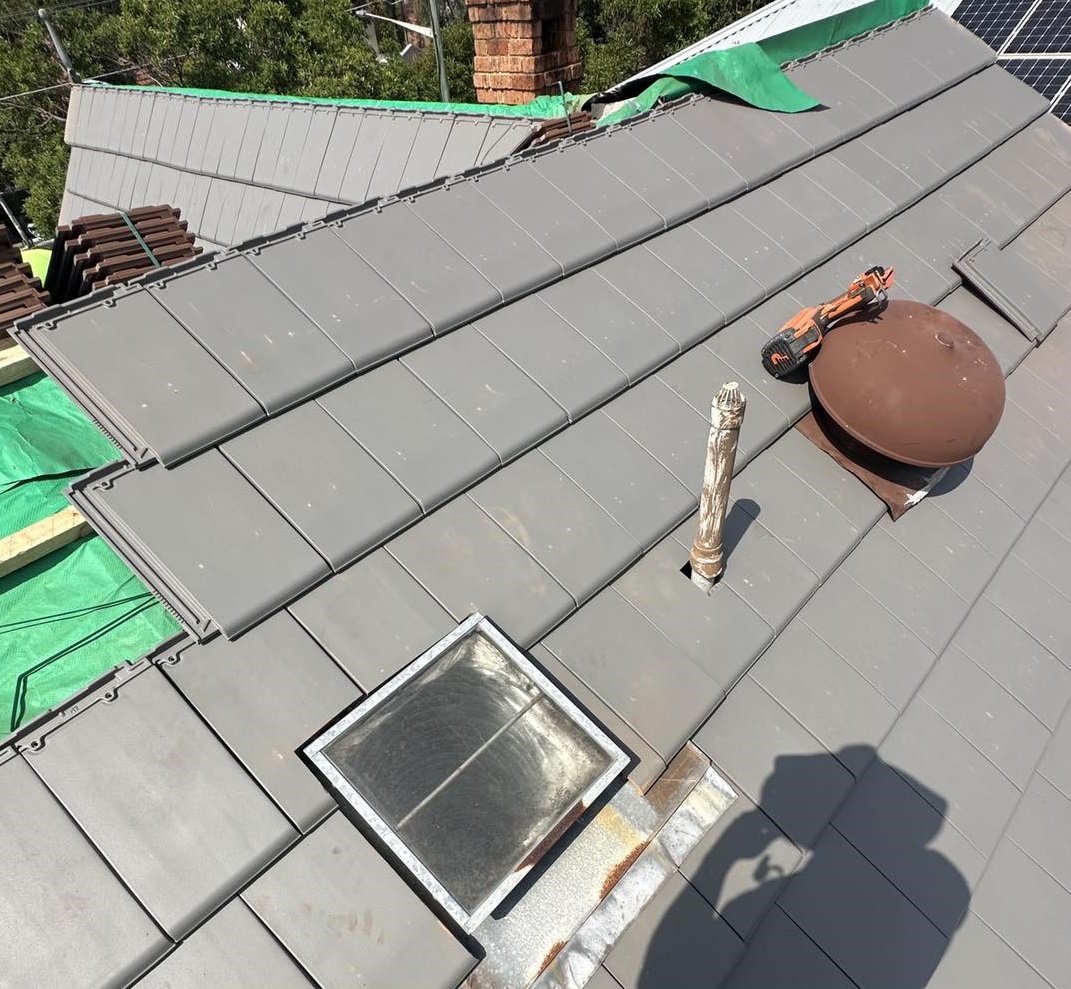
Yes, in most cases. Re-pointing ridge caps, replacing cracked tiles, and sealing penetrations will resolve the majority of common leak sources. However, if the leak originates from a structural issue like a cracked rafter or failed flashing around a skylight, targeted repairs are needed before coating begins.
Does roof restoration add value to my home in NSW, QLD, or ACT?
Real estate agents across these markets consistently note that a freshly restored roof improves buyer confidence and perceived property value. While exact increases vary, a clean roof removes a common objection during inspections and can support a stronger sale price or faster settlement.
What is the difference between roof restoration and roof replacement?
Restoration works with your existing tiles or metal sheets by cleaning, repairing, and recoating them. Replacement removes all existing roofing material and installs new sheets or tiles. Restoration costs roughly 30 to 50 percent of a full replacement and is appropriate when the underlying structure is sound.
Do I need council approval for roof restoration in NSW or ACT?
In most cases, no. Standard restoration using the same profile and a similar colour does not require development approval. However, homes in heritage conservation areas in Sydney or parts of Canberra may have restrictions on colour changes. Always check with your local council if your property is heritage-listed before committing to a colour change.
Is there a best time of year to get a roof restoration done?
Spring and autumn are ideal across NSW, QLD, and ACT. Spring avoids QLD wet season and ACT winter frost, while autumn avoids the peak summer heat that can affect coating application times. Booking early in these windows also helps you avoid the rush after storm season when roofing companies are in high demand.
Wrap Up and Next Steps
Roof restoration delivers real, measurable results when done correctly. A weathered, leaking roof becomes a clean, sealed, and structurally sound surface that protects your home for a decade or more.
The key is choosing a team that does not cut corners on preparation. Five Star Roofing services homes across NSW, QLD, and ACT with full restoration processes that include proper repairs before any coating is applied.
Call Five Star Roofing on +64211234567 to book your free roof inspection and get an itemised quote. The sooner you act, the less damage you are likely dealing with.