Written by Five Star Roofing | Published on June 2025
Most roof leaks in Australian homes show warning signs weeks or even months before visible water damage appears inside. Knowing how to find a roof leak in Australia early can save you anywhere from $500 in minor roof repairs to well over $15,000 for full roof replacement and structural remediation.
This guide walks you through the most reliable detection methods, the damage patterns unique to NSW, QLD, and ACT climates, and exactly when to stop DIY-ing and call a licensed roofer.
Recognise the Early Warning Signs of a Roof Leak
Catching a leak early almost always comes down to knowing what subtle signs to look for. Many homeowners only notice a problem once water is dripping from the ceiling, but by that point the damage is already done.
Check your ceilings and walls regularly for these indicators:
- Yellow or brown water stains on ceilings, especially after heavy rain
- Paint bubbling or peeling on interior walls near the roofline
- A musty or damp smell in the roof cavity, attic, or top floor rooms
- Mould or dark spots growing along ceiling cornices
- Sagging plasterboard, even without visible wetness
- Rust marks on ceiling roses or light fixtures
- Damp insulation visible through the manhole
In Queensland, the intense summer storm season between November and April puts roofs under serious stress. In NSW and ACT, the issue is often slow-moving cold fronts that push water sideways under flashing. Both patterns can create leaks that take weeks to show up indoors.
Inspect Your Roof Exterior for Common Leak Sources
Once you suspect a leak, a basic visual inspection from the ground or a ladder can reveal a lot. You do not need to walk on the roof to spot many of the most common problems. In fact, walking on damaged roofing materials can make things worse.
Use binoculars from the ground or a ladder to inspect from the gutterline. Look for these problem areas:
- Cracked, lifted, or missing roof tiles (terracotta or concrete)
- Rusted or lifted Colorbond steel sheeting along ridges or valleys
- Damaged or missing pointing compound along ridge cappings
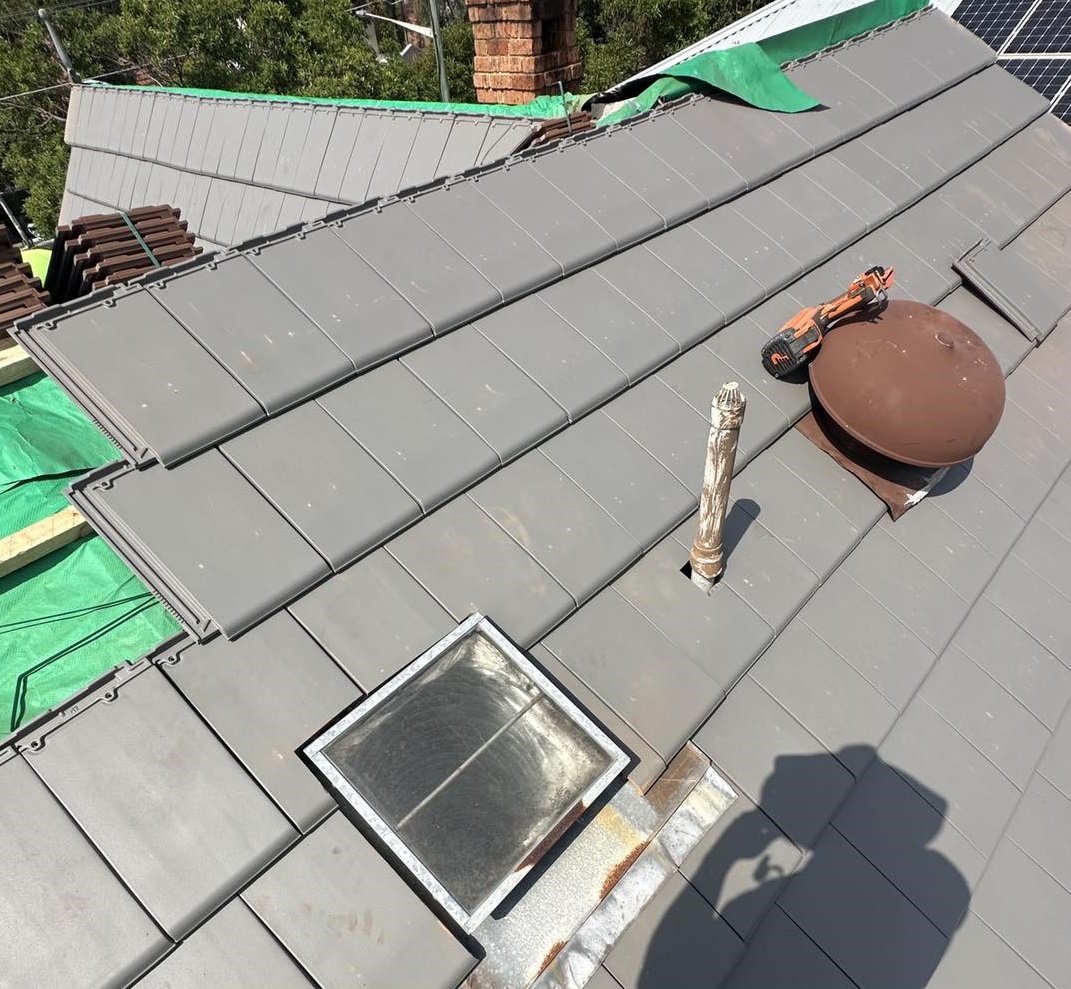
- Separated or corroded flashing around skylights, chimneys, and vents
- Blocked or overflowing gutters causing water to back up under the roof edge
- Visible gaps around pipe boots or roof penetrations
- Cracked roof cement at hip and ridge junctions
Five Star Roofing conducts thorough exterior inspections across Sydney, Brisbane, and Canberra and finds that flashing failures and cracked ridge pointing account for roughly 60 percent of residential leak calls we receive each year.
Compare the Most Common Roof Leak Locations by Roof Type
Different roof types have different weak points. Understanding your roof type helps you focus your inspection in the right areas and explain the problem clearly to a roofer when you call.
| Roof Type | Most Common Leak Location | Typical Repair Cost (AUD) |
|---|---|---|
| Terracotta or Concrete Tiles | Cracked tiles, failed ridge pointing, valley flashing | $300 to $1,200 |
| Colorbond Steel | Lifted screws, corroded laps, ridge cap gaps | $250 to $900 |
| Corrugated Iron (older homes) | Rust holes, nail pops, ridge and barge failures | $400 to $2,000 |
| Flat or Low-Pitch Roofs | Membrane splits, ponding water, failed drains | $600 to $3,500 |
| Asphalt Shingles (some QLD homes) | Cracked or curling shingles, exposed nail heads | $350 to $1,500 |
Flat roofs are especially common in modern homes across the ACT and inner Sydney. They are also the most prone to ponding water, which accelerates membrane deterioration. If you have a flat roof, inspect it after every significant rainfall event.
Use a Systematic Indoor Inspection Method to Trace the Source
Water rarely leaks directly above where the stain appears indoors. It travels along rafters, battens, and sarking before dripping. This makes tracing the true entry point tricky without a method.
Follow these steps to narrow down the source:
- Enter the roof cavity on a dry day with a torch and look for wet timber, rust trails, or stained insulation.
- Mark the wet area with chalk or tape so you can align it with the exterior roof above.
- On a sunny day, have someone hose specific sections of the roof while you watch from inside the cavity.
- Start hosing at the lowest point and work upward. Water moves downhill, so start low and move up until you find the entry point.
- Check all penetrations first: vents, skylights, antenna mounts, and solar panel brackets are the most frequent culprits.
- If sarking (the silver foil underlay) is installed, look for tears or gaps where water bypasses it.
This method works well for most tiled and metal roofs. For flat membrane roofs, the hose test is less reliable. A licensed waterproofing specialist may need to use flood testing or infrared thermal scanning to locate the breach.
Understand How Climate Affects Roof Leaks Across NSW, QLD, and ACT
Australian weather is hard on roofs. The combination of UV exposure, temperature swings, cyclonic winds in parts of QLD, and heavy La Nina rainfall years means Australian homes face wear patterns that are quite different to those in Europe or the US.
| Region | Primary Weather Risk | Most Common Leak Trigger | Best Inspection Time |
|---|---|---|---|
| Sydney and coastal NSW | Heavy easterly rainfall, wind-driven rain | Flashing separation, valley overflow | After autumn storms (March to May) |
| Western NSW (Bathurst, Orange) | Freeze-thaw cycles in winter | Cracked ridge pointing, lifted tiles | Early spring (August to September) |
| Southeast QLD (Brisbane, Gold Coast) | Summer storm season, hail | Hail-cracked tiles, bent metal sheeting | After storm events (November to April) |
| ACT (Canberra) | Cold winters, frost, dry summers | Thermal expansion cracking, mortar failure | Late winter to early spring (July to September) |
In Canberra, freeze-thaw cycles cause ridge capping mortar to crack more quickly than in warmer coastal cities. If your home is in the ACT, inspecting your ridge and hip capping every two years is a practical minimum.
Brisbane and coastal QLD homes should be checked immediately after any hail event. Hail damage is often invisible from the ground but creates micro-fractures in tiles that allow water entry with the next heavy rain.
Know When a DIY Check Is Not Enough
There are situations where a self-inspection will not give you the full picture. A licensed roof plumber or qualified roofer should be called in when you notice any of the following:
- Water is pooling near electrical fittings, downlights, or switchboards
- You can see visible structural timber that looks dark, soft, or rotted
- Mould is growing on the ceiling or inside walls, not just surface discolouration
- The stain is growing between rainfalls, which suggests a plumbing or condensation issue rather than a roof issue
- Your roof is more than 20 years old and has never had a professional inspection
- The pitch is steep, the surface is slippery, or the height is above single-storey
Working on a roof carries real fall risk. The Safe Work Australia guidelines are clear that any roof work above two metres requires appropriate fall protection. Do not climb onto your roof without the right equipment and training.
Five Star Roofing offers obligation-free roof inspections for homeowners across Sydney, Brisbane, and Canberra. If you are not sure what you are dealing with, a professional set of eyes on the roof is always the safer and smarter move.
FAQs on How to Find a Roof Leak in Australia
How do I find a roof leak that only happens during heavy rain?
Wind-driven rain behaves differently to light rain, so a drip that only appears in heavy storms is often caused by failed flashing or lifted tiles rather than an open hole. Have a roofer inspect your flashings, ridge capping, and any horizontal surfaces like valleys where water can back up under pressure.
Can a roof leak fix itself over time?
No. Roof leaks do not resolve on their own. Small cracks and gaps tend to expand as materials heat up, cool down, and are exposed to more rain. Delaying repairs almost always results in a larger and more expensive fix later, including potential damage to insulation, timber framing, and ceilings.
How much does it cost to find and fix a roof leak in Australia?
A professional roof inspection typically costs between $150 and $350 depending on the size of the home and the region. Minor repairs like replacing a broken tile or resealing flashing range from $250 to $800. More involved work such as valley replacements or re-pointing an entire ridge can run from $1,000 to $3,500 or more.
What is the best way to temporarily stop a roof leak before a roofer arrives?
Place a bucket or towels under the drip point and use thick plastic sheeting secured with tape on the interior ceiling to redirect water away from electrical fittings. Do not attempt to apply sealant from inside the roof cavity yourself. This rarely holds and can make it harder for a roofer to diagnose the real source.
Does home insurance in Australia cover roof leaks?
Most home insurance policies in Australia cover sudden storm damage but exclude gradual deterioration or maintenance-related leaks. If the leak was caused by a storm event, lodge your claim promptly and document the damage with photos. If it is the result of long-term wear, you will likely need to cover the repair cost yourself.
How often should I have my roof professionally inspected in NSW or QLD?
A professional inspection every two to three years is a reasonable minimum for most Australian homes. Homes in high-rainfall coastal areas of NSW and QLD or frost-prone areas of the ACT benefit from annual checks. After any severe storm event, an inspection should happen within a few weeks regardless of the normal schedule.
Wrap Up and Next Steps
Finding a roof leak early in Australia is about knowing where to look, understanding how your roof type behaves in local weather conditions, and acting quickly when you spot the signs. A small repair now is almost always far cheaper than structural damage later.
If you have spotted any of the warning signs in this guide or simply want peace of mind before the next storm season, Five Star Roofing is ready to help. We serve homeowners across New South Wales, Queensland, and the ACT with honest assessments and quality repairs.
Call us today on +64211234567 to book your roof inspection or request a free quote. Do not wait for the ceiling stain to grow before you take action.