
Written by Five Star Roofing | Published on July 2025
The best roofing material for most Australian homes falls into four main categories: Colorbond steel, concrete or terracotta tiles, metal roofing, and asphalt shingles, with installed costs ranging from $50 to $150 per square metre depending on the product and complexity.
Choosing the right material affects your home’s energy efficiency, storm resilience, and long-term maintenance costs. This guide walks you through the top options available to homeowners across New South Wales, Queensland, and the Australian Capital Territory, so you can make a confident, informed decision.
Understand the Main Roofing Materials Available in Australia
Australia’s roofing market is dominated by a handful of proven materials. Each has strengths suited to different climates, budgets, and home styles. Knowing the basics helps you narrow down your options before getting quotes.
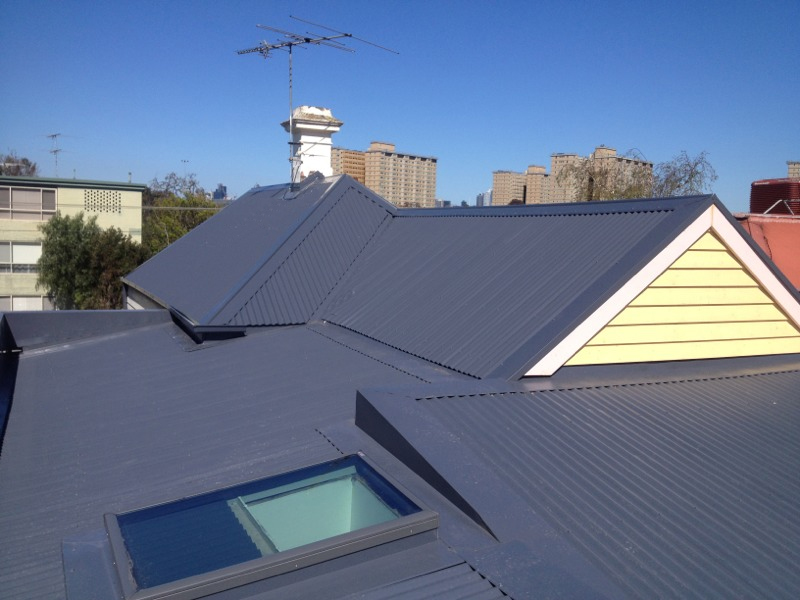
- Colorbond steel: Lightweight, low-maintenance, and available in a wide range of colours. Extremely popular across NSW and QLD.
- Concrete tiles: Heavy but durable, with good thermal mass. Common in suburban Sydney and Canberra.
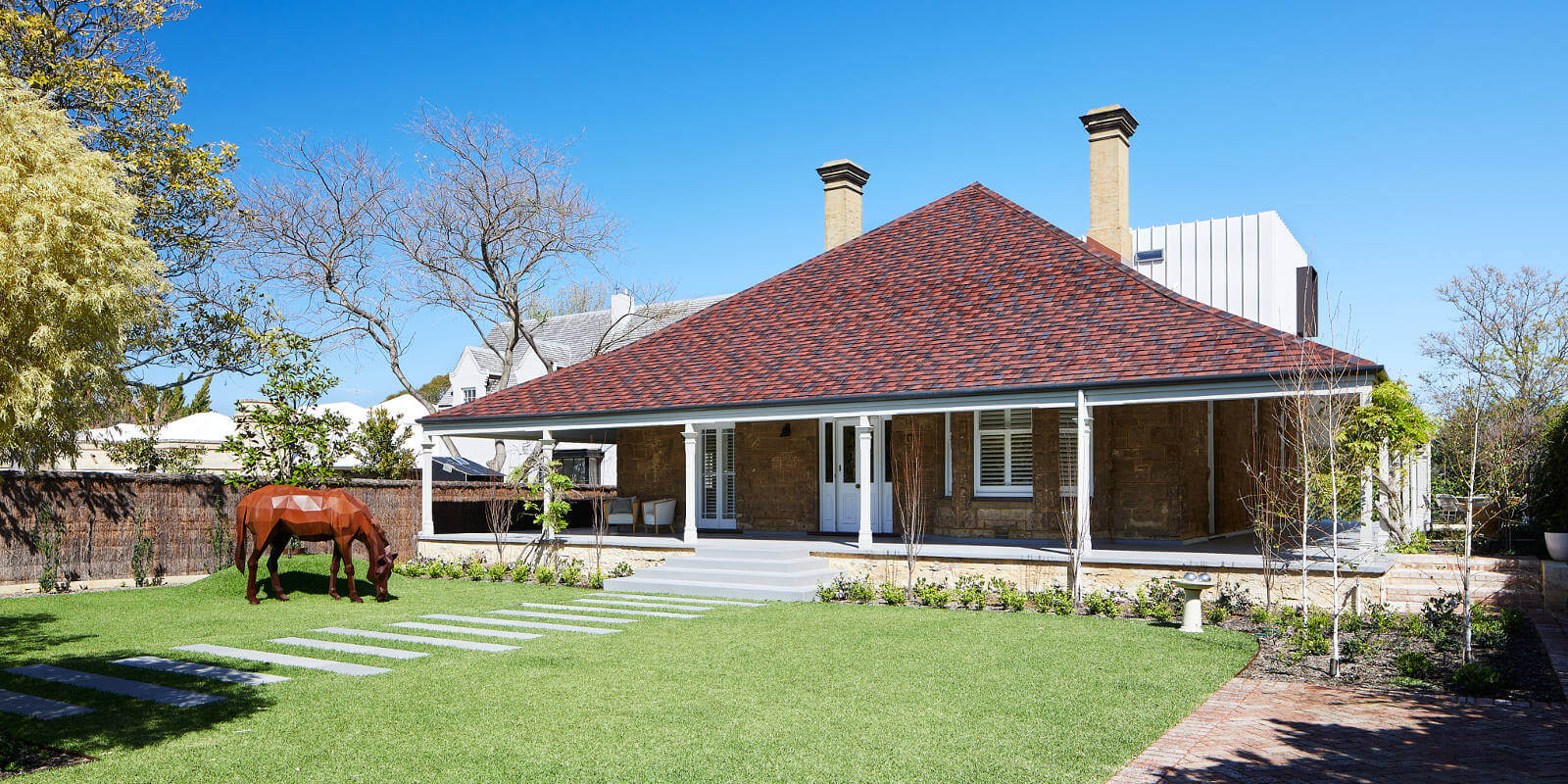
- Terracotta tiles: Long lifespan of 50 years or more, classic appearance, higher upfront cost.
- Zinc and copper roofing: Premium materials with architectural appeal. Best suited to high-end custom builds.
- Asphalt shingles: Less common in Australia but available, and cost-effective for certain budgets.
- Polycarbonate and fibreglass: Typically used for patios, carports, and pergola roofing extensions.
At Five Star Roofing, we work with all of these materials and can recommend the right fit based on your suburb, roof pitch, and budget.
Compare Roofing Materials by Cost, Lifespan, and Durability
Price is one of the first things homeowners ask about. But cost should always be weighed against lifespan and maintenance. A cheaper material that needs replacing in 15 years can cost more over time than a premium option that lasts 50.
| Material | Avg Installed Cost (per m²) | Expected Lifespan | Maintenance Level |
|---|---|---|---|
| Colorbond Steel | $50 – $70 | 25 – 40 years | Low |
| Concrete Tiles | $60 – $90 | 30 – 50 years | Medium |
| Terracotta Tiles | $80 – $120 | 50+ years | Low to Medium |
| Zinc Roofing | $100 – $150 | 60 – 80 years | Very Low |
| Asphalt Shingles | $40 – $65 | 15 – 25 years | Medium |
These are typical ranges for homes across NSW, QLD, and ACT. Prices vary by roof size, pitch, accessibility, and whether old material needs to be removed first. Always get at least two detailed quotes before committing.
Match Your Roofing Material to Your Local Climate
Australia’s three major climate zones relevant to our service areas each place different demands on your roof. What works in Canberra does not necessarily work in Brisbane or coastal Sydney.
New South Wales (Sydney and surrounds): Sydney’s coastal humidity and occasional heavy rainfall mean you need a material that resists moisture, moss, and salt air. Colorbond steel and quality tiles both perform well here.
Queensland (Brisbane and surrounds): QLD’s intense UV exposure, tropical storms, and cyclone-adjacent weather in northern areas demand highly impact-resistant materials. Colorbond is the go-to choice, with products like Colorbond Ultra engineered for extreme conditions.
ACT (Canberra): Canberra experiences sub-zero winters, frost, and bushfire-prone conditions in surrounding areas. Terracotta and concrete tiles hold up well to freeze-thaw cycles. Colorbond also performs reliably in Canberra’s dry, continental climate.
Five Star Roofing has installed and replaced roofs across all three regions. We understand the specific pressure each climate puts on a roof and factor that into every recommendation we make.
Review Australian Standards and Council Requirements
Roofing in Australia is governed by the National Construction Code (NCC) and Australian Standard AS 1562. These set minimum requirements for material performance, wind ratings, and installation methods. Your local council may also have additional rules.
- Bushfire Attack Levels (BAL): Homes in BAL-rated zones across NSW and ACT must use non-combustible roofing materials. Colorbond steel and terracotta tiles both meet BAL-12.5 through BAL-FZ requirements depending on the product.
- Wind ratings: QLD homes in cyclone-rated areas (Wind Region C or D) require roofing systems tested to higher uplift pressures. Not all tiles or installation methods qualify.
- Heritage overlays: Some older Sydney and Canberra suburbs require specific materials or colours to match the streetscape. Check with your local council before choosing.
- Energy efficiency: The NCC 2022 requires new builds and major renovations to meet minimum thermal performance levels. Reflective Colorbond and insulated roofing systems can help you meet these targets.
Your installer should be across all of these requirements. If they are not asking about your zone, BAL rating, or council rules, that is a red flag. Five Star Roofing checks these details before any job begins.
Compare Colorbond Steel vs Tiles for Australian Homes
The most common debate among Australian homeowners is Colorbond steel versus concrete or terracotta tiles. Both are excellent choices in the right circumstances. Here is a direct comparison to help you decide.
| Feature | Colorbond Steel | Concrete Tiles | Terracotta Tiles |
|---|---|---|---|
| Weight | Light (suits most frames) | Heavy (needs structural support) | Heavy (needs structural support) |
| Storm Resistance | Excellent (tested to high wind loads) | Good (individual tiles can lift) | Good (individual tiles can lift) |
| Heat Reflection | High (with Thermatech coating) | Moderate | Moderate to High |
| Noise in Rain | Higher (insulation helps) | Lower | Lower |
| Colour Options | Wide range (22+ Colorbond colours) | Limited | Limited (earthy tones) |
| Repairability | Full sheet replacement needed | Individual tiles replaced easily | Individual tiles replaced easily |
Colorbond steel suits modern homes, bushfire-prone areas, and lightweight frame constructions. Tiles suit traditional or period-style homes and work well in cooler climates like Canberra where thermal mass is an advantage.
Factor in Long-Term Maintenance and Running Costs
The purchase price is only part of the equation. Your roof’s ongoing maintenance costs will add up over its lifespan. Some materials are genuinely set-and-forget. Others need regular attention to stay weatherproof.
- Colorbond steel: Needs minimal maintenance. Clear gutters regularly and rinse the roof surface annually in coastal areas to remove salt deposits. Budget around $200 to $400 per year for basic upkeep.
- Concrete tiles: Prone to moss and lichen growth, especially in shaded areas. Plan for a professional clean and repointing every 10 to 15 years. Cost: $1,500 to $4,000 depending on roof size.
- Terracotta tiles: Low maintenance but cracked tiles should be replaced promptly. One cracked tile left unaddressed can allow water into the roof cavity and cause significant damage.
- Zinc and copper: Near-zero maintenance. These materials are self-healing to a degree and develop a natural patina that protects against corrosion. The upfront cost reflects this long-term value.
A good roof inspection every two years helps catch minor issues before they become expensive repairs. Five Star Roofing offers inspection services across Sydney, Brisbane, and Canberra, so you always know what condition your roof is in.
Choose a Roofing Material That Suits Your Home’s Style and Value
Beyond function and cost, your roofing material affects the look and resale value of your home. Buyers notice roofing. A worn, mismatched, or inappropriate material can reduce your home’s appeal and asking price.
Federation and Californian bungalow homes in Sydney’s inner suburbs typically look best with terracotta or concrete tiles that match the original era. Colorbond in a modern Surfmist or Monument colour suits contemporary homes in newer estates across Western Sydney, Brisbane’s north side, or Canberra’s newer suburbs like Molonglo Valley.
If you are renovating before selling, a new Colorbond roof often delivers a strong return on investment. It is one of the first things a potential buyer sees, and a clean, modern roof signals that the property has been well maintained.
When choosing a colour, also consider heat absorption. Darker Colorbond colours absorb more heat. In Queensland or western-facing Sydney homes, a lighter colour with Thermatech technology can reduce cooling costs noticeably over summer.
FAQs on Choosing the Best Roofing Material
What is the most popular roofing material in Australia?
Colorbond steel is the most widely installed roofing material in Australia, accounting for around half of all residential roofs. Its combination of low weight, durability, and low maintenance makes it the default choice for new builds and reroofing projects across NSW, QLD, and ACT.
How long does a Colorbond roof last in Queensland?
A properly installed Colorbond roof in Queensland typically lasts 25 to 40 years. In coastal or cyclone-prone areas, using Colorbond Ultra and ensuring installation meets local wind ratings will maximise that lifespan. Regular gutter cleaning and annual rinsing also extend performance.
Do I need council approval to replace my roof in NSW?
In most cases, like-for-like roof replacements in NSW are considered exempt development and do not require a Development Application. However, if you are changing the material, colour, or roof line in a heritage conservation area, you may need council approval. Always check with your local council first.
Are terracotta tiles worth the higher cost?
Terracotta tiles are worth the higher upfront cost if you plan to stay in your home long term. With a lifespan of 50 years or more and very low maintenance needs, they often work out cheaper over time than concrete tiles or metal alternatives that need replacing sooner.
Can I put a metal roof over existing tiles?
In some cases, yes, a metal roof can be installed over existing tiles using a batten-over system. This saves on tile removal costs. However, the existing roof structure must be assessed for weight capacity and condition. Five Star Roofing always conducts a structural check before recommending this approach.
What roofing material is best for bushfire-prone areas in ACT?
For homes in bushfire-prone zones around Canberra, non-combustible materials are required by law. Colorbond steel (Lysaght or BlueScope products), terracotta tiles, and concrete tiles are all accepted options for BAL-rated properties. Your installer should confirm the specific product meets your BAL level before installation.
Wrap Up and Next Steps
The best roofing material for your home depends on your climate zone, budget, home style, and how long you plan to stay. Colorbond steel suits most modern Australian homes for its durability and low maintenance, while terracotta and concrete tiles remain excellent choices for period homes and cooler climates like Canberra.
If you are ready to make a decision or just want an expert opinion on what suits your home, Five Star Roofing is here to help. We serve homeowners across NSW, QLD, and ACT and provide free, no-obligation quotes tailored to your property.
Call us today on +64211234567 or reach out through our website to schedule a free roof assessment. Our team will inspect your current roof, discuss your options, and give you a clear recommendation you can trust.