
Written by Five Star Roofing | Published on July 2025
Roof waterproofing is necessary when your existing roof membrane has failed, when you notice water stains, leaks, or pooling water, or when your roof is flat or low-pitched and over 10 years old. It is also required after major storm damage or when undertaking a renovation that exposes the roof deck.
This article explains exactly when waterproofing is needed, what the warning signs look like, which systems work best in NSW, QLD, and ACT climates, and what you can expect to pay. If you are unsure whether your roof needs attention, this guide will help you make a confident, informed decision.
Understand What Roof Waterproofing Actually Does
Roof waterproofing creates a continuous barrier across your roof surface that stops water from penetrating the structure beneath. It is different from simply having roof tiles or metal sheeting. Those materials shed water but they do not form a sealed, bonded membrane.
Waterproofing is most critical on flat roofs, low-slope roofs, balconies, and podium decks. These surfaces do not drain as quickly as pitched roofs, which means water sits longer and finds any gap or crack.
In Australia, waterproofing systems must comply with AS 4654.2, which sets the standard for above-ground waterproofing membranes. Any reputable contractor, including Five Star Roofing, will apply products and methods that meet this standard.
Recognise the Warning Signs That Waterproofing Is Needed
Spotting a problem early saves you from costly structural repairs. Here are the most common signs that your roof needs waterproofing or re-waterproofing.
- Water stains on ceilings or walls: Brown or yellow rings on interior surfaces are a direct sign that water is getting through.
- Bubbling or blistering on the roof surface: This happens when moisture is trapped beneath the existing membrane.
- Cracking or splitting of the membrane: UV exposure and thermal movement cause older membranes to crack over time.
- Pooling water after rain: Standing water that does not drain within 48 hours accelerates membrane deterioration.
- Damp or mould smell inside the building: Moisture entering through the roof can travel into wall cavities and create mould growth.
- Visible rust stains around roof penetrations: Flashings around pipes, vents, and skylights are common failure points.
- Roof age over 10 to 15 years: Most waterproofing membranes have a service life of 10 to 20 years depending on the product and conditions.
If you notice two or more of these signs, it is worth getting a professional inspection. Delaying repairs often leads to damage to insulation, ceiling plaster, and even structural timber.
Compare Common Roof Waterproofing Systems in Australia
There is no single waterproofing product that suits every roof. The right system depends on your roof type, slope, substrate, and local climate. Here is a breakdown of the most widely used options.
| System Type | Best For | Lifespan | Approx. Cost per m2 |
|---|---|---|---|
| Liquid-applied polyurethane membrane | Flat roofs, balconies, irregular shapes | 15 to 25 years | $80 to $150 |
| Torch-on bitumen membrane | Flat and low-slope commercial roofs | 15 to 20 years | $70 to $130 |
| TPO or PVC single-ply membrane | Large commercial flat roofs | 20 to 30 years | $90 to $160 |
| Acrylic roof coating | Metal roofs, minor waterproofing refresh | 5 to 10 years | $20 to $50 |
| EPDM rubber membrane | Flat roofs, green roofs | 20 to 30 years | $80 to $140 |
Liquid-applied membranes are the most popular choice for residential flat roofs and balconies in Sydney and across NSW because they bond directly to the substrate and handle complex shapes well.
Torch-on bitumen is common on older commercial buildings and can be a cost-effective option when a full replacement is not yet required. Always check that your contractor is licensed to use torch-on systems, as they involve open flame application.
Explore How Climate in NSW, QLD, and ACT Affects Waterproofing Needs
Australia’s regional climates create very different stresses on roof membranes. What works well in one state may not be the ideal choice in another.
In New South Wales, Sydney’s coastal humidity and intense summer storms accelerate membrane aging. UV exposure is high, which causes cracking in lower-grade coatings faster than expected. Properties near the coast also face salt air exposure, which corrodes metal flashings and degrades some adhesives.
Queensland presents some of the harshest conditions for roofing in Australia. The combination of high UV radiation, tropical rainfall, and cyclone-season wind-driven rain means waterproofing systems need to be robust and fully bonded. Loose-laid membranes are generally not suitable in cyclone-prone regions of QLD. Products used must meet the wind uplift requirements of the National Construction Code for wind regions C and D.
The ACT experiences significant temperature swings, from hot dry summers to sub-zero winter nights. This thermal cycling causes expansion and contraction in roof membranes. Flexible, high-elongation membranes such as polyurethane perform better in Canberra than rigid coatings that can crack under repeated movement.
Five Star Roofing has experience across all three regions and can recommend the right product for your specific location and roof type.
Review Typical Roof Waterproofing Costs in Australia
Cost varies depending on the size of the area, the system chosen, the condition of the existing surface, and access requirements. Here is a general guide for residential and light commercial projects.
| Project Type | Typical Size | Estimated Total Cost |
|---|---|---|
| Small balcony waterproofing | 10 to 20 m2 | $1,500 to $3,500 |
| Flat roof waterproofing (residential) | 50 to 100 m2 | $6,000 to $14,000 |
| Re-waterproofing over existing membrane | 50 to 100 m2 | $4,500 to $10,000 |
| Commercial flat roof waterproofing | 200 to 500 m2 | $18,000 to $60,000 |
| Roof penetration and flashing repairs only | Spot repairs | $500 to $2,500 |
These figures include labour and materials but not allowances for substrate repair. If the underlying concrete or timber is damaged, that work is quoted separately.
In Sydney and the surrounding NSW metro area, labour costs tend to be slightly higher than regional areas. Getting two or three quotes from licensed waterproofing contractors is always a good idea before committing.
Know When Waterproofing Is a Legal Requirement in Australia
Waterproofing is not always optional. In Australia, the National Construction Code (NCC) and state-specific building regulations require waterproofing in certain situations.
- New construction: Any flat or low-slope roof on a new build must be waterproofed to comply with NCC Volume Two for residential buildings or Volume One for commercial.
- Renovations and additions: If you add a new room, extend a deck, or modify a flat roof, the affected area must be brought up to current waterproofing standards.
- Balconies and podiums: AS 3740 and AS 4654 mandate waterproofing on any trafficable or non-trafficable elevated surface exposed to weather.
- After structural repairs: If roof decking or concrete is repaired, the waterproofing layer must be reinstated before any finishes are applied.
- Before selling or leasing: Building inspectors will flag failed waterproofing as a defect. Addressing this before a sale avoids delays and renegotiation.
In NSW, waterproofing work on buildings over a certain value requires a licensed waterproofer or builder. The NSW Fair Trading website lists licensing requirements. In QLD, the Queensland Building and Construction Commission (QBCC) governs contractor licensing. Always ask to see a contractor’s licence before work begins.
Choose the Right Contractor for Roof Waterproofing
The quality of the installation matters as much as the product itself. A poorly applied premium membrane will still fail. Here is what to look for when choosing a waterproofing contractor.
- Proper licensing: Confirm the contractor holds a current builder’s or waterproofing licence in your state.
- Product knowledge: A good contractor should explain why they are recommending a specific system for your roof type and location.
- Written warranty: Both the product manufacturer and the installer should offer warranties. Installer warranties typically range from 5 to 10 years.
- References and photos: Ask for recent local projects similar to yours.
- Detailed written quote: The quote should specify the product name, number of coats, primer type, membrane thickness, and warranty terms.
- Insurance: Public liability and workers compensation insurance protect you if something goes wrong on site.
Five Star Roofing provides detailed written quotes for all waterproofing work, and our team is fully licensed and insured across NSW, QLD, and ACT. We are happy to walk you through the product options before any work begins.
FAQs on Roof Waterproofing
How long does roof waterproofing last in Australia?
Most quality waterproofing membranes last between 15 and 25 years when correctly installed and maintained. Acrylic coatings have a shorter lifespan of 5 to 10 years. Regular inspections every 2 to 3 years can catch early signs of wear before failure occurs.
Can you waterproof over an existing membrane?
In many cases, yes. If the existing membrane is still bonded and structurally sound, a compatible liquid membrane can be applied over the top. However, if the existing layer is bubbling, delaminating, or heavily cracked, it is usually better to strip it back and start fresh for a longer-lasting result.
Is roof waterproofing covered by home insurance?
General waterproofing maintenance is not covered by home insurance. However, if a sudden event like a storm causes membrane damage that leads to water ingress, your insurer may cover the resulting damage. Check your policy carefully and document any storm events with photos and dates.
How do I know if my flat roof needs waterproofing or replacement?
If the roof deck beneath the membrane is structurally sound and the membrane has only failed in isolated spots, re-waterproofing is usually sufficient. If the deck is rotting, cracked, or deflecting, a full replacement is needed first. A professional inspection will give you a clear answer and help you avoid spending money on the wrong solution.
Does waterproofing work on terracotta or concrete tile roofs?
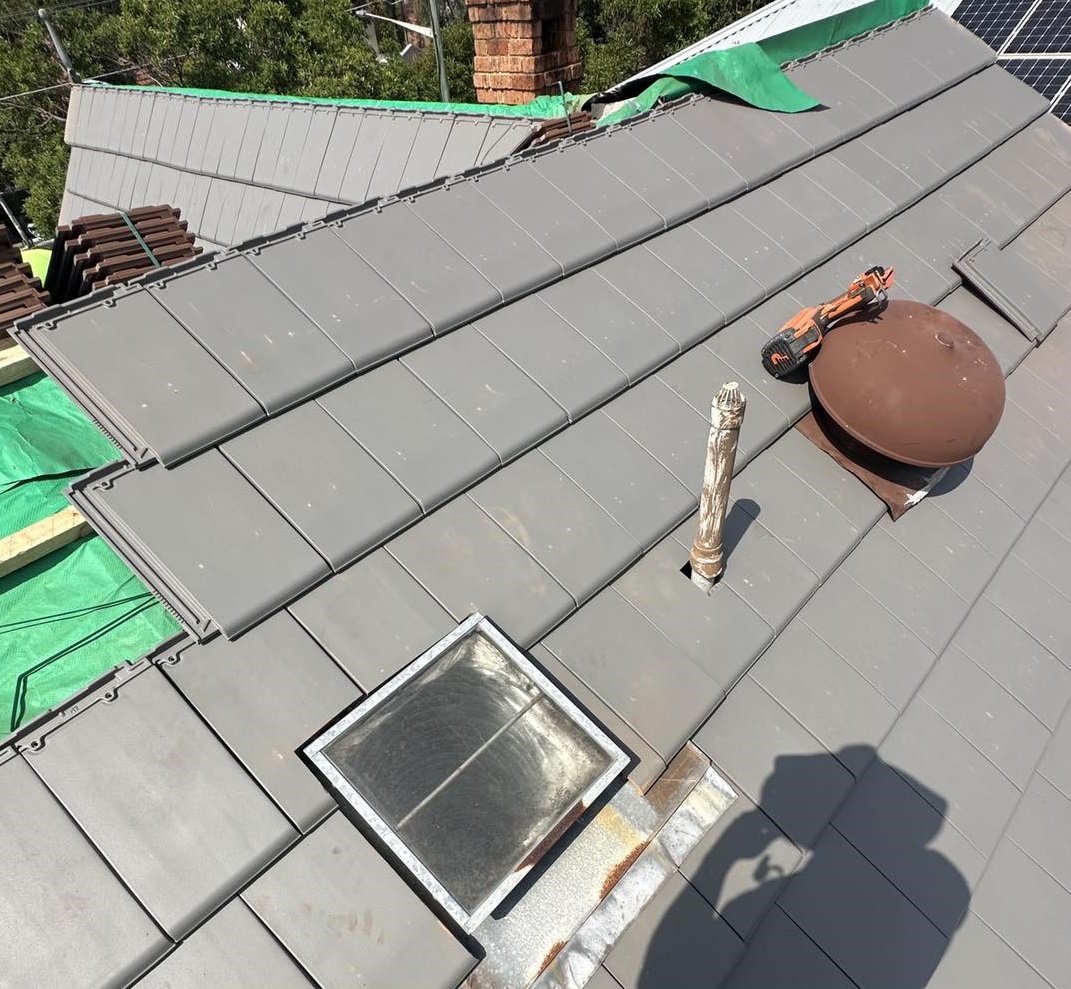
Waterproofing membranes are not typically applied to pitched tile roofs. Tiles shed water through gravity. If your tile roof is leaking, the issue is usually cracked tiles, failed pointing, or deteriorated sarking beneath the tiles. Those problems require targeted repairs rather than a full membrane system.
What is the difference between waterproofing and damp-proofing?
Waterproofing stops liquid water under positive or negative pressure from penetrating a surface. Damp-proofing only resists moisture vapour and capillary moisture. For roofs, waterproofing is always the correct specification. Damp-proofing is generally used for below-ground applications like footings and retaining walls.
Wrap up and next steps
Roof waterproofing is necessary whenever your membrane shows signs of failure, after major weather events, during renovations, or once your flat roof reaches 10 to 15 years of age. Choosing the right system for your climate and roof type, and having it installed by a licensed contractor, is the key to a long-lasting result.
Five Star Roofing provides waterproofing inspections, quotes, and installations across Sydney, NSW, QLD, and ACT. Call us on +64211234567 to schedule a roof inspection or request a written quote. Our team is ready to help you protect your property before a small problem becomes an expensive repair.