
Written by Five Star Roofing | Published on July 2025
Budgeting for commercial roof maintenance in NSW, QLD, and ACT generally costs between $2,000 and $15,000 per year for most mid-sized commercial buildings, though larger or older structures can push well beyond that. This article walks you through how to estimate your annual spend, what factors drive costs up, and how to build a realistic maintenance plan that protects your asset.
Understand What Commercial Roof Maintenance Actually Covers
Many building owners confuse maintenance with repairs. Maintenance is proactive, routine work done to prevent failure. Repairs are reactive, done after something has already gone wrong. The two have very different price tags.
A standard commercial roof maintenance program typically includes the following:
- Bi-annual inspections (usually before and after summer storm season)
- Clearing of gutters, downpipes, and drains
- Resealing around penetrations like HVAC units, skylights, and vents
- Checking and recoating membrane or metal surfaces where needed
- Minor patching of cracks, blisters, or loose flashings
- Documenting roof condition with photos for warranty and insurance records
Skipping routine maintenance is one of the fastest ways to turn a $500 job into a $50,000 roof replacement. In QLD especially, where UV exposure and summer storm activity are intense, even newer roofs need consistent attention.
Break Down the Typical Costs by Roof Type and Size
Your roof type is one of the biggest variables in your maintenance budget. Different materials have different lifespans, failure points, and maintenance requirements. Here is a cost breakdown to help you plan.
| Roof Type | Typical Annual Maintenance Cost | Common Issues in NSW/QLD/ACT |
|---|---|---|
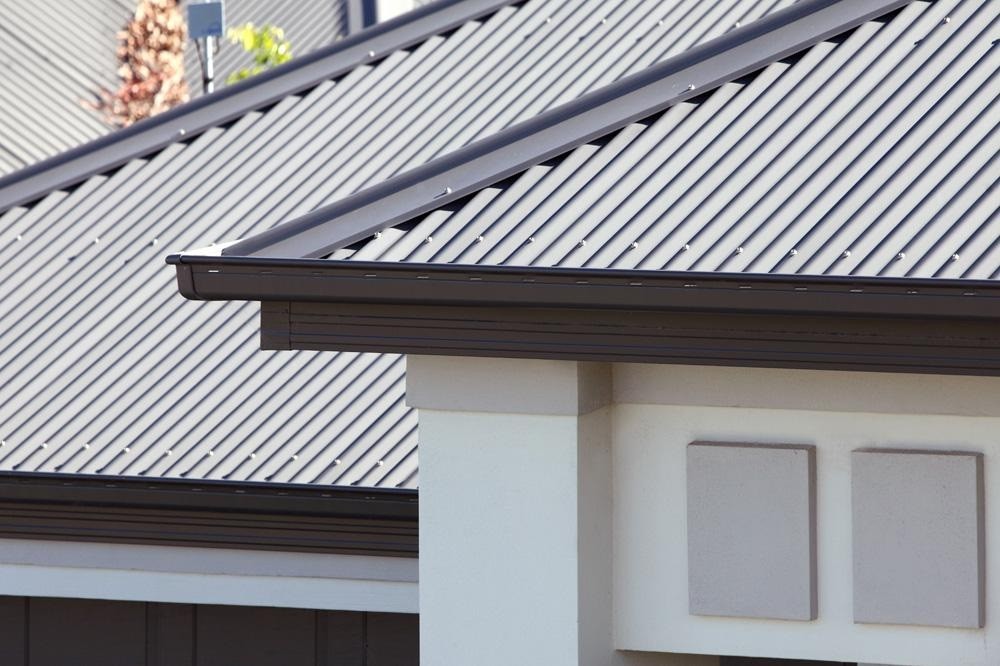
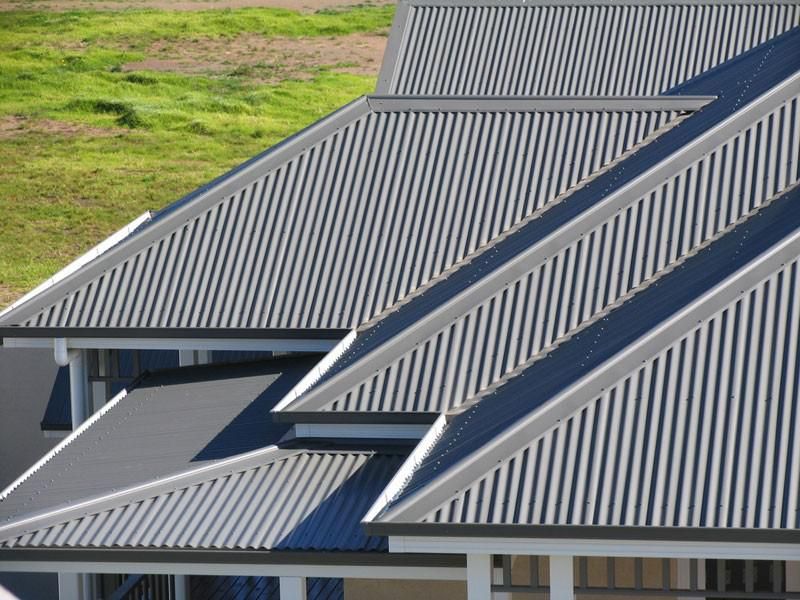
| Metal (Colorbond, corrugated) | $1,500 to $5,000 | Fastener corrosion, thermal movement gaps, rust at cut edges |
| Membrane (TPO, PVC, EPDM) | $2,500 to $8,000 | Blistering, seam separation, UV degradation |
| Built-up roofing (BUR) | $3,000 to $10,000 | Surface cracking, ponding water, flashing failure |
| Concrete or terracotta tile | $2,000 to $7,000 | Cracked tiles, mortar deterioration, blocked valleys |
| Green or cool roofs | $5,000 to $15,000+ | Root barrier failure, drainage blockages, membrane punctures |
These figures assume a building footprint of around 500 to 2,000 square metres. For larger industrial or warehouse-style roofs, multiply accordingly. A 10,000 sqm metal roof in Western Sydney or the outer Brisbane metro can easily require $20,000 or more in annual maintenance.
Factor in Regional Climate When Setting Your Budget
Where your building sits in Australia has a direct impact on how much you need to spend each year. The climates across NSW, QLD, and ACT are genuinely different, and your maintenance frequency should reflect that.
In QLD, roofs face relentless UV radiation, high humidity, and a defined wet season. Coastal properties near Brisbane, the Gold Coast, or Townsville deal with salt air that accelerates corrosion on metal roofs and degrades sealants faster than inland sites.
In NSW, the range is wide. Sydney has mild winters but can get intense storm events in summer. The Blue Mountains and New England regions deal with heavier rainfall and temperature swings that cause more movement in materials. Western NSW is dry and UV-heavy.
ACT buildings face cold winters with occasional frost and snow in elevated areas like Brindabella. Freeze-thaw cycles can crack aged sealants and open up flashing joints faster than warmer climates. Canberra commercial buildings should schedule at least one inspection per year in late autumn before temperatures drop.
Five Star Roofing tailors maintenance programs based on your specific location, not a one-size-fits-all schedule. That local knowledge makes a real difference in how your budget holds up over time.
Build a Tiered Annual Maintenance Budget
A practical way to budget is to split your annual roofing spend into three buckets: routine maintenance, contingency repairs, and capital reserves. This structure works well for strata managers, facility managers, and commercial landlords alike.
| Budget Bucket | What It Covers | Recommended Annual Allocation |
|---|---|---|
| Routine Maintenance | Scheduled inspections, cleaning, minor resealing | 60 to 70% of total roofing budget |
| Contingency Repairs | Unexpected leaks, storm damage, failed components | 20 to 25% of total roofing budget |
| Capital Reserve | Partial re-roofing, membrane replacement, major overhauls | 10 to 15% of total roofing budget |
For example, if you manage a 1,200 sqm office building in Canberra with a TPO membrane roof, your total annual roofing budget might sit around $6,000. Roughly $4,000 goes to scheduled maintenance, $1,200 sits in contingency, and $800 feeds a capital reserve account year on year.
This approach prevents the shock of a sudden large bill and gives your accountant or body corporate something tangible to plan against in financial statements.
Know Which Warning Signs Will Blow Your Budget if Ignored
Catching small issues early is the single best thing you can do to keep your maintenance budget under control. Here are the warning signs that indicate you need to act before costs escalate:
- Water stains on internal ceilings or walls, even faint ones
- Blistering or bubbling on membrane surfaces
- Rust streaks running down exterior walls from roof flashings
- Ponding water that sits for more than 48 hours after rain
- Loose or lifted flashings at parapets, skylights, or penetrations
- Gutters or downpipes overflowing during moderate rainfall
- A musty smell inside the building after wet weather
Any one of these signs should trigger an inspection within a few weeks, not at the next scheduled service date. A $400 call-out to reseal a flashing can prevent $12,000 in water damage remediation and ceiling replacement.
In QLD, storm season runs roughly from November through April. Getting a pre-season inspection done in October gives you time to address vulnerabilities before the heavy rain arrives. Five Star Roofing recommends this timing for all Queensland commercial clients as a baseline.
Understand What Affects the Cost of Each Maintenance Visit
Not every maintenance visit costs the same, and understanding the variables helps you have better conversations with your roofing contractor and avoid surprise invoices.
Height and access are often the biggest cost drivers. A single-storey warehouse is straightforward. A seven-storey commercial building in the Sydney CBD requires EWP (elevated work platform) hire or rope access technicians, which adds significant daily cost to any job.
Roof condition at the time of the visit also matters. A roof that has been well maintained for years takes less time to service than one that has been neglected. If your contractor arrives and finds blocked drains packed with debris, corroded flashings, and multiple minor leaks, expect the invoice to reflect the extra labour.
Other cost factors include:
- Roof size and complexity (more penetrations, valleys, and corners mean more time)
- Material costs for sealants, patching compounds, or replacement components
- Travel time for rural or regional properties in NSW or QLD
- Compliance requirements, such as working near heritage-listed buildings in ACT or inner Sydney
- Time of year, as demand surges after major storm events can affect scheduling and pricing
FAQs on Budgeting for Commercial Roof Maintenance
How often should a commercial roof be professionally inspected?
Twice a year is the standard recommendation for most commercial buildings in NSW, QLD, and ACT. One inspection should fall before storm season and one after. Older roofs or those with a history of issues may need quarterly check-ins to stay ahead of problems.
Is commercial roof maintenance tax deductible in Australia?
Yes, routine maintenance costs on a commercial property are generally deductible as a business expense in the year they are incurred. Capital improvements, like a full roof replacement, are depreciated over time. Always confirm the classification with your accountant, as the ATO distinguishes between repairs and capital works.
What is the difference between a maintenance plan and a roof warranty?
A warranty covers defects in materials or workmanship for a set period, typically five to ten years for commercial roofing products. A maintenance plan is a separate service agreement that keeps your roof in good condition and is often required to keep the warranty valid. Skipping scheduled maintenance can void your warranty entirely.
Can I reduce my commercial roofing costs by doing some maintenance myself?
Basic tasks like clearing visible debris from gutters at ground level can be done in-house. However, any work on the roof surface itself requires trained personnel, proper safety equipment, and in most cases a Working at Heights certification. Attempting roof work without proper qualifications creates significant liability under WHS laws across NSW, QLD, and ACT.
How do I get an accurate maintenance budget estimate for my building?
The most reliable way is to have a qualified roofing contractor conduct a condition assessment. This typically costs between $300 and $800 and produces a written report detailing the current state of your roof, priority items, and a recommended maintenance schedule with estimated costs. Five Star Roofing offers condition assessments for commercial properties across Sydney, South East QLD, and Canberra.
What happens if I defer maintenance for one or two years?
Deferring maintenance for even one year significantly increases the risk of water ingress, accelerated material degradation, and voided warranties. In humid QLD conditions, one missed cycle can allow mould growth and membrane failure to progress rapidly. The cost to catch up is almost always higher than the cost of consistent maintenance would have been.
Wrap Up and Next Steps
A well-structured commercial roof maintenance budget protects your building, your tenants, and your bottom line. Starting with a condition assessment, setting aside funds across routine, contingency, and capital categories, and responding quickly to warning signs will keep your costs predictable and manageable over the long term.
If you manage a commercial property in NSW, QLD, or ACT and want a clear picture of what your roof actually needs, contact Five Star Roofing today. Call us on +64211234567 to schedule a commercial roof inspection or request a tailored maintenance quote for your building.