
Written by Five Star Roofing | Published on June 2025
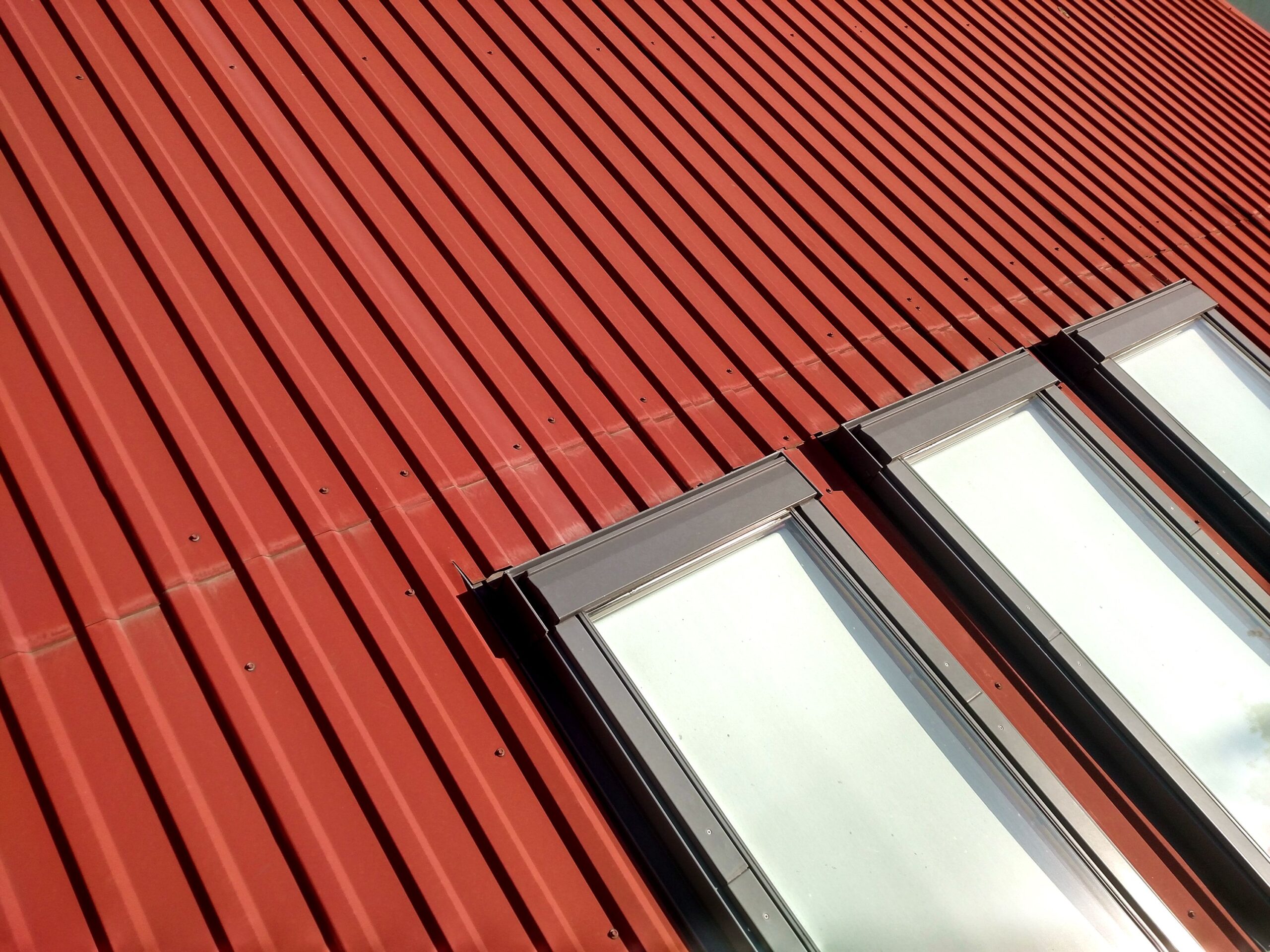
Colorbond is actually a specific brand of steel roofing, so when comparing metal roofing vs Colorbond in Australia, you are really comparing a broad category against one well-known product within it. Metal roofing covers materials like zinc, copper, aluminium, and various steel profiles, while Colorbond is BlueScope Steel’s pre-painted steel system.
This guide explains exactly how they differ in cost, lifespan, performance, and suitability for homes across NSW, QLD, and the ACT. By the end, you will know which option fits your roof, your budget, and your local climate.
Understand What “Metal Roofing” Actually Means in Australia
The term metal roofing is an umbrella category. It includes any roof made primarily from metal sheets, panels, or tiles. In the Australian market, the most common metal roofing types are steel, Colorbond steel, Zincalume steel, aluminium, zinc, and copper.
Each material behaves differently depending on your local environment. Coastal areas in NSW like Newcastle or Wollongong, and tropical zones in QLD like Cairns, place very different demands on a roof compared to the colder, dryer conditions in Canberra and the ACT.
- Steel roofing: Strong and affordable, but needs a protective coating to resist corrosion.
- Zincalume: A BlueScope steel product with an aluminium-zinc alloy coating. Unpainted, metallic finish.
- Colorbond steel: Zincalume base with a baked-on paint system. The most popular roofing material in Australia.
- Aluminium: Lightweight and corrosion-resistant, often used in high-humidity or coastal zones.
- Zinc and copper: Premium, long-lasting options used mainly in heritage or architectural projects.
When most Australians say “metal roof” in a general conversation, they usually mean either Colorbond or Zincalume. But technically, zinc, copper, and aluminium roofs are all metal roofs too.
Compare Colorbond vs Other Metal Roofing Materials
Here is a direct comparison of the most common metal roofing options available to Australian homeowners. Prices below are typical installed costs per square metre and will vary by roof complexity, region, and contractor.
| Material | Installed Cost (per m²) | Lifespan | Warranty | Best For |
|---|---|---|---|---|
| Colorbond Steel | $50 – $120 | 40-70 years | BlueScope 36-year paint warranty | Most Australian climates |
| Zincalume Steel | $40 – $100 | 30-50 years | BlueScope structural warranty | Sheds, secondary buildings |
| Aluminium | $80 – $160 | 40-60 years | Varies by manufacturer | Coastal and high-humidity areas |
| Zinc (architectural) | $150 – $300 | 80-100 years | Varies by manufacturer | Heritage and premium builds |
| Copper | $200 – $400+ | 100+ years | Varies by manufacturer | Heritage, prestige homes |
Colorbond hits the sweet spot for most residential projects. It is affordable, backed by strong warranties, and engineered specifically for Australian conditions. That is why Five Star Roofing installs it on the majority of residential re-roofing jobs across Sydney and surrounding regions.
Explore the Key Advantages of Colorbond for Australian Homes
Colorbond is not just popular because of marketing. It has genuine performance advantages that make it well-suited to the Australian climate, from the humid summers of QLD to the cold winters in the ACT.
- Thermatech technology: Colorbond’s paint system reflects more of the sun’s heat, reducing cooling loads. This matters a lot during Sydney summers where roof temperatures can exceed 70 degrees Celsius.
- Corrosion resistance: The multi-layer coating system protects against rust. This is critical in coastal NSW suburbs like Cronulla, Manly, and the Central Coast.
- Colour retention: The baked-on paint resists fading for decades. You get the same colour in year 30 as you did in year one.
- Cyclone-rated profiles: Several Colorbond profiles are rated for high-wind zones, making them suitable for cyclone-prone parts of QLD.
- Bushfire-resistant options: Colorbond steel is non-combustible, which is important for homes in BAL (Bushfire Attack Level) rated zones across inland NSW and the ACT.
- Rainwater harvesting compatibility: Colorbond is approved for collecting drinking water, which plain Zincalume is not without treatment.
These features explain why Colorbond commands a price premium over plain Zincalume. You are paying for a roof engineered to perform in Australian conditions, not just a basic metal sheet.
Identify When Other Metal Roofing Types Make More Sense
Colorbond is not always the right answer. There are situations where other metal roofing products are a better fit for your project.
Zincalume is a logical choice for sheds, farm buildings, and secondary structures where aesthetics are less important. It costs less upfront and still provides solid weather protection. However, it is not approved for rainwater collection and lacks the thermal performance of Colorbond.
Aluminium roofing is worth considering in highly corrosive coastal environments. Salt air accelerates corrosion on steel-based products, even Colorbond, over many decades. Pure aluminium does not rust at all, giving it an edge in places like the Gold Coast, Byron Bay, or Sydney’s Northern Beaches.
Zinc and copper roofing are mainly used in heritage restoration or high-end architectural projects. If you have a Federation-style home in inner Sydney or a heritage-listed property in Canberra, your heritage architect may specify zinc or copper to match original materials.
Standing seam metal roofing, which uses concealed fasteners, is another category worth knowing. It is available in Colorbond and other materials and offers a premium, modern look with better water-tightness than exposed-fastener profiles.
Review Colorbond Profiles and How They Compare to Generic Metal Roofing
One detail many homeowners miss is that Colorbond is available in multiple profiles. The profile affects the look, the water-shedding performance, and the minimum required roof pitch. Generic steel roofing also comes in profiles, but they lack Colorbond’s coating system.
| Profile Name | Type | Min Pitch | Common Use |
|---|---|---|---|
| Corrugated (Trimdek equivalent) | Traditional corrugated | 5 degrees | Residential, heritage homes |
| Trimdek | Ribbed/flat pan | 2 degrees | Modern homes, low-pitch roofs |
| Klip-Lok 700 | Concealed fix | 1 degree | Near-flat roofs, modern builds |
| Spandek | Wide rib | 1 degree | Commercial and residential |
| Colorbond Tiles | Steel tile look | 15 degrees | Traditional tile replacement |
Choosing the wrong profile for your roof pitch is a common mistake. A roof with a 1.5-degree pitch needs a concealed-fix profile like Klip-Lok. Using a corrugated sheet at that pitch will lead to water ponding and leaks. Five Star Roofing always assesses your roof geometry before recommending a profile.
Check Local Building Code Requirements in NSW, QLD, and the ACT
Building codes and local council requirements affect your roofing choice. These rules are not the same across all three states and territories, so it pays to know what applies to your property.
In NSW, the National Construction Code (NCC) sets minimum standards for roof materials and installation. Homes in bushfire-prone areas must use non-combustible roofing materials. Colorbond steel meets this requirement. Standard unpainted steel or timber products do not qualify in BAL-rated zones.
In QLD, wind loading requirements are much stricter due to cyclone risk in northern regions. Roof sheets and their fixings must meet AS 4055 wind classification standards. Colorbond profiles like Klip-Lok and Trimdek have tested wind ratings that meet QLD requirements when correctly installed with approved fixings.
In the ACT, the government’s heritage overlay applies to many properties in older suburbs like Braddon, Ainslie, and Griffith. If your home is heritage-listed or in a heritage precinct, your choice of roofing material and colour may need heritage council approval. Some listed properties require traditional corrugated iron profiles, which Colorbond can replicate.
Always check with your local council before committing to a roofing material, especially if you are replacing a roof on an older home or in a designated planning zone.
FAQs on Metal Roofing vs Colorbond Australia
Is Colorbond the same as a metal roof?
Colorbond is a type of metal roof, but the two terms are not interchangeable. Metal roofing includes aluminium, copper, zinc, and various steel products. Colorbond is specifically BlueScope Steel’s branded pre-painted steel roofing system, which is the most popular metal roofing product in Australia.
How long does Colorbond roofing last compared to other metal roofs?
Colorbond steel typically lasts between 40 and 70 years with proper maintenance. Zinc and copper roofs can last over 100 years but cost significantly more upfront. Zincalume, the unpainted version, generally lasts 30 to 50 years depending on environmental conditions and proximity to the coast.
Is Colorbond roofing more expensive than standard metal roofing?
Yes, Colorbond costs more than plain Zincalume or generic steel sheeting, typically $50 to $120 per square metre installed compared to $40 to $100 for Zincalume. The price difference reflects Colorbond’s superior coating, longer warranty, thermal performance, and approval for rainwater harvesting.
Can I use Colorbond on a low-pitch roof in Sydney or Brisbane?
Yes, Colorbond offers profiles suitable for very low pitch roofs. The Klip-Lok 700 profile is rated for pitches as low as 1 degree, making it ideal for modern flat or near-flat roofs in Sydney and Brisbane. Always confirm the correct profile and pitch with your roofing contractor before ordering materials.
Is Colorbond roofing good for coastal properties in NSW or QLD?
Colorbond performs well in coastal environments thanks to its multi-layer corrosion-resistant coating. BlueScope also produces Colorbond Ultra, which is specifically designed for highly corrosive coastal and industrial zones. For extreme coastal exposure within 100 metres of breaking surf, ask your roofer about Colorbond Ultra or aluminium alternatives.
Does the colour of Colorbond affect my energy bills?
Yes, lighter Colorbond colours reflect more solar heat than darker ones, reducing air conditioning loads in summer. Colorbond’s Thermatech technology helps all colours perform better than standard paint, but choosing a lighter shade like Surfmist or Dune will make a noticeable difference in warmer climates across QLD and coastal NSW.
Wrap Up and Next Steps
In the metal roofing vs Colorbond Australia debate, the answer comes down to your budget, your home’s location, and what the roof needs to do. For most residential properties across NSW, QLD, and the ACT, Colorbond steel offers the best balance of cost, durability, warranty protection, and climate performance.
If you have a heritage home, a coastal property with extreme salt exposure, or an architectural project requiring something different, other metal roofing options may serve you better. Talking to an experienced local roofer is always the smartest first step.
Five Star Roofing installs and supplies Colorbond and other metal roofing systems across Sydney, NSW, QLD, and the ACT. Call us on +64211234567 to discuss your project, get a free quote, or ask any questions about the right roofing material for your home.