
Written by Five Star Roofing | Published on July 2025
Ignoring roof repairs in Australia can turn a minor $300 tile replacement into a $15,000 structural restoration within 6 to 18 months. The dangers of ignoring roof repairs in Australia affect homeowners across NSW, QLD, and ACT, where extreme heat, heavy rainfall, and storm seasons accelerate damage dramatically.
This article walks through the real consequences of delayed roof repairs, from water damage and mould to structural failure and insurance complications. If your roof has been on your to-do list for a while, this will show you exactly what is at stake.
Understand How Roof Damage Escalates Over Time
Roof damage rarely stays contained. A single cracked tile or a loose flashing point creates an entry path for water, which then travels through your roof cavity, insulation, ceiling lining, and eventually your walls and floors.
The speed of this escalation depends on your climate zone. In Queensland, where summer storms can drop 100mm of rain in a single hour, a small leak can cause significant internal damage within one wet season.
In the ACT, freeze-thaw cycles during winter cause small cracks in mortar and tiles to expand. What looks like a hairline fracture in April can become a displaced tile by August.
NSW homeowners deal with a mix of coastal salt exposure, bushfire ember damage, and intense summer storms in western areas. Each of these conditions attacks different parts of your roof system simultaneously.
The core problem is that most roof damage starts invisibly. By the time you notice a water stain on your ceiling, the damage has usually been building for weeks or months above your head.
Identify the Most Dangerous Types of Ignored Roof Damage
Not all roof issues are equal. Some can wait a few weeks without major consequence. Others become dangerous within days of being ignored. Knowing the difference helps you prioritise correctly.
| Type of Damage | Risk Level | Escalation Timeline | Estimated Repair Cost if Ignored |
|---|---|---|---|
| Cracked or missing tiles | Medium | 2 to 6 months | $800 to $4,000 |
| Failed flashing around vents or skylights | High | 1 to 3 months | $2,000 to $8,000 |
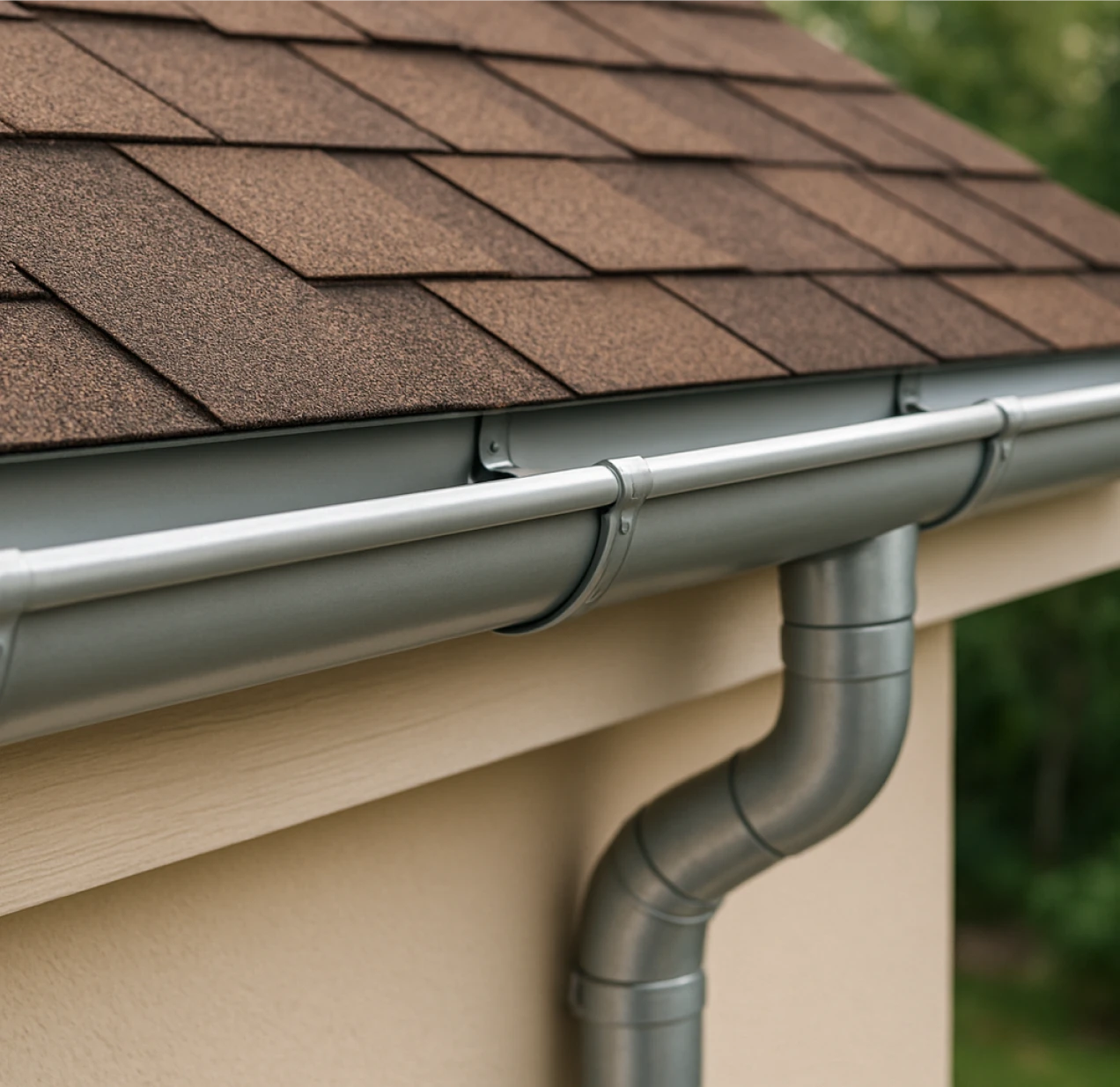
| Blocked or damaged gutters | Medium | 3 to 12 months | $1,500 to $6,000 |
| Sagging roof sections | Critical | Immediate | $10,000 to $30,000+ |
| Exposed or corroded roof screws | Medium | 6 to 18 months | $500 to $3,500 |
| Ridge capping deterioration | High | 2 to 8 months | $1,200 to $5,000 |
Sagging roof sections are the most urgent. They indicate compromised structural timbers, which can fail suddenly under load. If you notice a visible dip or bow in your roofline, contact a licensed roofer the same day.
Explore the Health Risks of Water Damage and Mould
One of the most serious but least discussed dangers of ignoring roof repairs in Australia is the health risk that follows water intrusion. When moisture enters your roof cavity, mould can begin growing within 24 to 48 hours under warm conditions.
In Queensland, where humidity often exceeds 80 percent during summer, mould growth is rapid and aggressive. Black mould species like Stachybotrys chartarum can colonise wall cavities and ceiling boards within weeks.
The health effects of prolonged mould exposure include:
- Respiratory irritation and worsening of asthma symptoms
- Chronic sinus infections and nasal congestion
- Skin rashes and eye irritation
- Fatigue and headaches in poorly ventilated spaces
- Serious lung conditions in immunocompromised individuals
Children and elderly residents are particularly vulnerable. The NSW Health Department recognises indoor mould as a significant residential health hazard and recommends professional remediation for affected areas larger than one square metre.
Mould remediation on top of roof repairs can add $3,000 to $10,000 to your total bill. Fixing the roof early eliminates this risk entirely.
Compare Repair Costs Versus Replacement Costs Across NSW, QLD, and ACT
The financial argument for prompt roof repairs is straightforward. Early intervention costs a fraction of what delayed repairs eventually require. Here is a realistic cost comparison based on Five Star Roofing’s experience across the region.
| Scenario | NSW Average Cost | QLD Average Cost | ACT Average Cost |
|---|---|---|---|
| Single tile replacement (early action) | $200 to $400 | $180 to $380 | $220 to $450 |
| Same damage after 12 months (plus ceiling repair) | $2,500 to $6,000 | $2,800 to $6,500 | $3,000 to $7,000 |
| Partial roof restoration (moderate neglect) | $8,000 to $18,000 | $7,500 to $16,000 | $9,000 to $20,000 |
| Full roof replacement (severe neglect) | $15,000 to $35,000 | $14,000 to $32,000 | $18,000 to $40,000 |
ACT costs tend to run higher due to stricter building codes and the need for materials suited to cold winters. The ACT Government requires compliance with Australian Standard AS 4055 for wind loading, which affects both repair specifications and material choices.
In Queensland, the Queensland Development Code mandates specific cyclone-rated roofing in designated wind regions. Using non-compliant materials during a repair can void your insurance coverage, which is another costly consequence of DIY or cut-price repair jobs.
Understand the Insurance and Legal Consequences in Australia
Most Australian home insurance policies include a maintenance clause. This means your insurer can deny a claim if they determine the damage resulted from neglected maintenance rather than a sudden event.
If a storm causes $20,000 worth of damage to a roof that already had unrepaired cracked tiles and deteriorated flashing, your insurer may argue that the pre-existing neglect contributed to the extent of the damage. Partial or full claim denials in these cases are common.
Key insurance-related points to understand:
- Insurers in Australia can request a roof inspection report before approving large claims
- Undisclosed pre-existing damage can be grounds for policy cancellation
- Some policies in QLD cyclone zones require annual roof inspections to remain valid
- Strata properties in NSW must comply with the Strata Schemes Management Act 2015, which requires owners corporations to maintain common property roofs
- Selling a home with known unrepaired roof damage without disclosure can carry legal liability under Australian Consumer Law
Getting a documented inspection from a licensed roofer like Five Star Roofing gives you a paper trail that protects you both during an insurance claim and during a property sale.
Recognise the Warning Signs Before Damage Becomes Dangerous
Catching roof damage early is easier than most homeowners think. You do not need to climb onto your roof to spot the early warning signs. Many indicators are visible from the ground or from inside your home.
Warning signs you can check from inside your home:
- Water stains or brown rings on ceilings or near light fittings
- Damp or musty smell in the roof cavity or upstairs rooms
- Peeling paint or bubbling plaster on interior walls near the roofline
- Daylight visible through the roof when viewed from the attic
- Insulation that appears wet or compressed in certain spots
Warning signs visible from the ground outside:
- Tiles that are visibly cracked, displaced, or missing
- Sagging or uneven roofline sections
- Rusting or lifting metal flashings around chimneys or skylights
- Gutters pulling away from the fascia board
- Moss or lichen growth spreading across roof tiles
If you spot two or more of these signs together, schedule a professional inspection promptly. Five Star Roofing provides free roof inspections across Sydney, Newcastle, Brisbane, and Canberra, so there is no cost barrier to getting a clear picture of your roof’s condition.
Know What a Professional Roof Inspection Involves
A professional inspection is not just someone walking on your roof for ten minutes. A thorough inspection covers every part of your roofing system and gives you a prioritised list of issues ranked by urgency.
Here is what Five Star Roofing includes in a standard inspection:
- Visual assessment of all tiles, sheets, or membrane from the roofline
- Close inspection of all flashing points including valleys, ridges, and penetrations
- Gutter and downpipe condition check including debris buildup and rust
- Roof cavity inspection for moisture, pest activity, and insulation condition
- Internal ceiling check for water staining or sagging
- Written report with photos and prioritised repair recommendations
- Compliance check against relevant state building codes and Australian Standards
Annual inspections are the most practical way to stay ahead of problems. For homes in coastal NSW or cyclone-prone QLD zones, twice-yearly inspections are a smart investment. The cost of an inspection is minimal compared to the cost of one major repair event.
FAQs on Dangers of Ignoring Roof Repairs in Australia
How long can I leave a small roof leak before it becomes a serious problem?
In most Australian climates, a small roof leak can cause significant damage to insulation, ceiling plaster, and timber framing within 4 to 8 weeks if left unrepaired. In humid areas like coastal Queensland, that timeline can be as short as 2 weeks. Acting within the first week keeps costs and damage minimal.
Will my home insurance cover damage from a neglected roof in Australia?
Most Australian home insurance policies exclude damage that results from lack of maintenance. If an insurer can demonstrate that a pre-existing repair issue contributed to your claim, they can reduce or deny your payout. Keeping records of regular maintenance and repairs is the best way to protect your claim.
Is it safe to stay in a house with a damaged roof during a storm?
If your roof has a sagging section, missing structural tiles, or compromised framing, it is genuinely unsafe to remain in that part of the house during heavy rain or high winds. Move family members away from affected rooms and contact an emergency roofing service immediately. Five Star Roofing offers emergency callouts across NSW, QLD, and ACT.
Does roof damage affect my property value in NSW or QLD?
Yes, significantly. Real estate agents across NSW and QLD report that buyers discount properties with visible roof damage by 5 to 15 percent of market value. Unrepaired roof damage also affects building and pest inspection reports, which can cause finance to fall through or contract renegotiations at settlement.
How often should I have my roof inspected in Australia?
The general recommendation for most Australian homes is once per year, ideally before or after the storm season. Homes in cyclone-rated areas of Queensland, bushfire-prone zones in NSW, or frost-affected areas of the ACT benefit from two inspections per year. After any significant storm event, a post-storm inspection is always worthwhile.
Can I do roof repairs myself to save money?
Minor maintenance like clearing gutters is fine for homeowners. However, any structural roof repair in Australia must be completed by a licensed roofer to comply with Australian Standards and maintain your insurance coverage. DIY structural repairs can void your insurance and create liability issues if the work causes further damage.
Wrap Up and Next Steps
The dangers of ignoring roof repairs in Australia are real, progressive, and expensive. A problem that costs a few hundred dollars to fix today can cost tens of thousands if left for another year. Water damage, mould, structural failure, insurance issues, and reduced property value are all avoidable outcomes.
The smartest move you can make as a homeowner in NSW, QLD, or ACT is to get a clear picture of your roof’s current condition before the next storm season arrives.
Five Star Roofing offers free roof inspections across Sydney, Canberra, and Brisbane. Call us today on +64211234567 to book your inspection or request a no-obligation repair quote. The sooner you act, the less it costs.