
Written by Five Star Roofing | Published on July 2025
Damaged roof flashing is one of the leading causes of water leaks in Australian homes, with repair costs typically ranging from $150 to $900 depending on location, flashing type, and damage severity. This guide covers how to spot failing flashing early, what causes it to fail, and how the repair or replacement process works.
Whether you own a home in Sydney, Brisbane, or Canberra, flashing issues are especially common after heavy rain events and storm seasons that regularly affect NSW, QLD, and ACT properties.
Understand What Roof Flashing Does and Why It Matters
Roof flashing is a thin layer of metal or flexible material installed at joints, edges, and penetrations in your roof. Its job is to direct water away from vulnerable areas and stop it from seeping into your home’s structure.
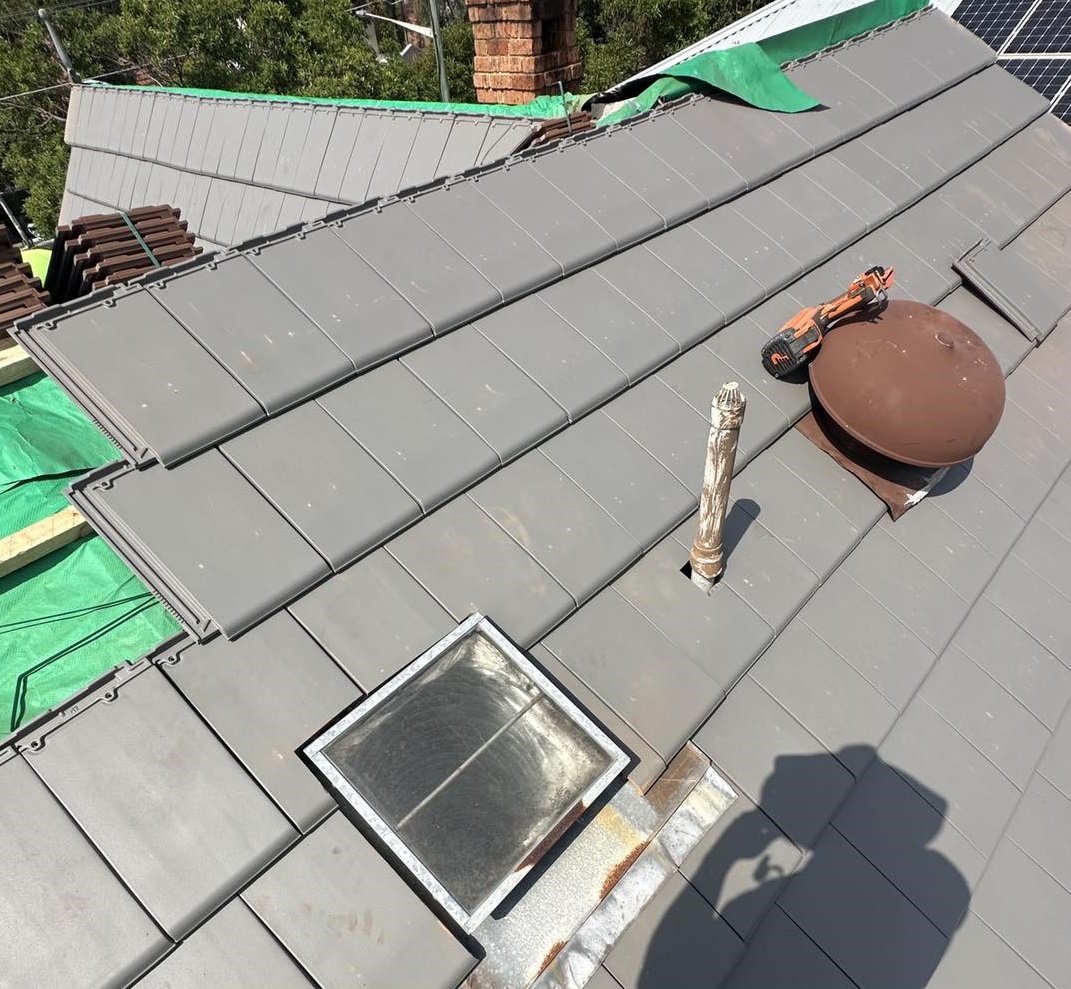
You will find flashing around chimneys, skylights, vent pipes, valleys, and along roof-to-wall junctions. These are the spots where two surfaces meet or where something pokes through the roofline, making them naturally prone to water ingress without proper sealing.
In Australian climates, flashing faces constant stress. The extreme UV exposure in QLD, heavy rainfall in coastal NSW, and the temperature swings in the ACT all accelerate material fatigue. Flashing that was installed 15 or 20 years ago may be well past its serviceable life.
Common flashing materials used in Australia include:
- Galvanised steel (most common, affordable, 20-30 year lifespan)
- Colorbond steel (durable, colour-matched, popular in NSW and QLD)
- Copper (premium, 50+ year lifespan, often used on heritage homes)
- Lead (older homes, being phased out due to health and environmental concerns)
- Aluminium (lightweight, corrosion-resistant, good for coastal areas)
Spot the Warning Signs of Failing Roof Flashing
Catching flashing problems early can save you thousands in water damage repairs. The signs are usually visible from the ground or during a basic roof inspection, though some require a closer look from a licensed roofer.
Here are the most common warning signs to watch for:
- Water stains on interior ceilings or walls, especially near chimneys or skylights
- Rust-coloured streaks running down exterior walls or fascia
- Visible lifting, bending, or separation of flashing from the roof surface
- Cracked or missing sealant around flashing edges
- Soft or spongy roof deck when walking near flashing areas
- Mould growth in the ceiling space or on interior walls
- Dripping or pooling water in your roof cavity after rain
Five Star Roofing recommends scheduling a roof inspection at least once a year, ideally before the wet season. In QLD and coastal NSW, that means inspecting in October or November before summer storms arrive.
Do not wait until you see a visible drip. By the time water reaches your ceiling, the structural damage has often already started. Timber rafters, roof decking, and insulation absorb water long before you notice it inside.
Identify the Most Common Roof Flashing Problems
Not all flashing failures look the same. Understanding the type of problem helps you communicate clearly with your roofer and understand the quote you receive.
| Problem Type | Cause | Urgency Level | Typical Repair Cost (AUD) |
|---|---|---|---|
| Lifted or displaced flashing | Wind damage, poor installation | High | $200 – $450 |
| Cracked or corroded flashing | Age, UV exposure, moisture | High | $250 – $600 |
| Failed sealant/caulking | Thermal expansion, age | Medium | $150 – $300 |
| Improper overlap | Poor original installation | Medium | $300 – $700 |
| Missing flashing sections | Storm damage, theft | Very High | $350 – $900 |
| Step flashing failure | Rust, movement, age | High | $400 – $850 |
Sealant failure is the most common and most overlooked issue. Many installers rely heavily on silicone or polyurethane caulk, which shrinks and cracks over time. In ACT, the freeze-thaw cycles during winter months accelerate this process significantly.
Step flashing failures are common around chimneys and dormers. Each piece of step flashing is meant to interlock with individual roof tiles or sheets. When one piece corrodes or pulls away, the entire section becomes vulnerable.
Compare Repair Versus Full Replacement
One of the most common questions homeowners ask is whether their flashing can be repaired or needs full replacement. The answer depends on the age of the flashing, the material, and the extent of damage.
| Scenario | Recommended Action | Estimated Cost (AUD) | Lifespan Outcome |
|---|---|---|---|
| Small section lifted, no corrosion | Re-secure and reseal | $150 – $300 | 5-10 more years |
| Localised rust or crack | Patch or partial replacement | $200 – $450 | 3-7 more years |
| Widespread corrosion, 15+ years old | Full replacement | $500 – $1,200 | 20-30 new years |
| Failed original installation | Full replacement with correct spec | $600 – $1,500 | 20-30 new years |
| Storm-damaged entire section | Full replacement | $700 – $1,800 | 20-30 new years |
A patch repair can be a cost-effective short-term fix if the surrounding material is still in good condition. But patching over old, corroded flashing rarely lasts more than a few years and can give a false sense of security.
If your home in NSW or QLD is more than 20 years old and has never had flashing replaced, a full inspection and likely full replacement is the smarter investment. The cost of replacing flashing is a fraction of the cost of repairing water-damaged timber or replacing soaked insulation.
Understand the Repair and Replacement Process
Knowing what happens during a professional flashing repair helps you understand the quote and ask the right questions. A reputable roofing contractor will follow a clear process rather than just slapping sealant over the problem.
Here is what a proper roof flashing repair or replacement involves:
- Inspection: A licensed roofer assesses the full extent of the damage, including the roof deck and any internal water penetration.
- Remove old flashing: The damaged or corroded material is carefully removed without disturbing surrounding tiles, sheets, or membranes.
- Prepare the substrate: The area beneath is cleaned and any rot or damage to timber is identified and reported.
- Cut and fit new flashing: New material is cut to size, shaped to fit the specific profile, and mechanically fixed where required.
- Seal all edges: A compatible sealant is applied to all edges and overlaps, with attention to drainage direction.
- Test and inspect: The roofer visually checks the completed work and may run a hose test to confirm watertight performance.
In NSW, all roof repair work must be carried out by a licensed contractor holding a current NSW Fair Trading licence. In QLD, the Queensland Building and Construction Commission (QBCC) governs licensing. ACT homeowners should look for contractors licensed under the ACT Planning and Land Authority requirements.
Always ask for a written quote and check that your roofer carries public liability insurance. Five Star Roofing holds all required licences and insurances for work across NSW, QLD, and ACT.
Know What Affects the Cost of Flashing Repair in NSW, QLD and ACT
Pricing for flashing repair is not one-size-fits-all. Several factors influence what you will pay, and understanding them helps you evaluate quotes more accurately.
Key cost factors include:
- Roof pitch and height: Steeper roofs and multi-storey homes require additional safety equipment and take longer to work on safely.
- Flashing material chosen: Colorbond and copper cost more than galvanised steel but last significantly longer.
- Access difficulty: Valley flashing deep in a roof can take twice as long to reach as chimney flashing on an accessible pitch.
- Extent of water damage: If the underlying timber or sarking is damaged, repair costs increase considerably.
- Location: Labour rates in Sydney CBD, inner Brisbane, and Canberra are higher than regional areas.
- Number of flashing points: A home with multiple skylights, a chimney, and several penetrations will cost more than a simple two-point repair.
In coastal NSW and QLD, aluminium or Colorbond flashing is often recommended over galvanised steel due to the salt-laden air. Salt accelerates corrosion and can reduce the lifespan of galvanised steel flashing by 30 to 50 percent in beachside suburbs.
For ACT homeowners, ask your roofer about flashing products rated for freeze-thaw conditions. Sealants used in Canberra need to maintain flexibility at low temperatures, and standard silicone can crack in winter if it is not the right grade.
FAQs on Roof Flashing Repair
How long does roof flashing last in Australia?
Most galvanised steel flashing lasts 20 to 30 years under normal Australian conditions. Copper flashing can last 50 years or more. In coastal QLD and NSW, exposure to salt air can shorten galvanised steel lifespan to 15 years or less, making material choice important for beachside properties.
Can I repair roof flashing myself?
Minor sealant touch-ups on accessible, low-pitch roofs can be a DIY task for experienced homeowners, but most flashing repairs should be handled by a licensed roofer. Working on roofs carries serious fall risks, and improper repairs can create worse leaks. In NSW and QLD, certain roof work legally requires a licensed contractor.
Will my home insurance cover roof flashing repairs?
It depends on the cause. Damage from a sudden storm event is typically covered under most Australian home insurance policies. Damage from wear and tear or lack of maintenance is usually excluded. Document the damage thoroughly, photograph it before any repairs, and contact your insurer promptly after a storm event.
How do I know if my flashing or my tiles are causing a leak?
Leaks that appear near a chimney, skylight, wall junction, or vent pipe are almost always flashing-related rather than a tile failure. Tile failures typically cause water to appear in less specific locations across the ceiling. A roofer can confirm the source with a targeted inspection, and in some cases a hose test.
How long does a flashing repair take?
A straightforward repair on a single section of flashing typically takes two to four hours. A full replacement around a chimney or multiple roof penetrations may take a full day. Your roofer should give you a time estimate along with the written quote so you can plan accordingly.
What happens if I ignore damaged flashing?
Ignoring damaged flashing allows water to enter your roof cavity continuously during rain events. Over months, this saturates insulation, rots timber rafters and decking, promotes mould growth, and can eventually compromise ceiling linings and internal walls. A $300 flashing repair ignored for two years can become a $10,000 structural repair job.
Wrap Up and Next Steps
Roof flashing failures are common, predictable, and very fixable when caught early. Knowing the warning signs, understanding what causes flashing to fail, and getting a professional assessment before the wet season can protect your home and save you significant money.
Five Star Roofing provides flashing inspections, repairs, and full replacements across Sydney, Newcastle, Brisbane, the Gold Coast, and Canberra. Our licensed roofers work across NSW, QLD, and ACT with full insurance and compliance with local building codes.
Call Five Star Roofing today on +64211234567 to book a roof inspection or request a free flashing repair quote. Do not wait for the next rain event to confirm you have a problem.