Written by Five Star Roofing | Published on June 2025
Yes, Velux skylights are worth it for most Australian homeowners. Installed costs typically range from $1,500 to $4,500 per unit, and the long-term savings on electricity and the boost to your home’s appeal make that investment pay off over time.
This article covers what you get with Velux products, how much installation costs in NSW, QLD, and ACT, which models suit the Australian climate, and what to watch out for before you commit.
Understand What Makes Velux Skylights Different
Velux is a Danish brand with over 80 years in the skylight industry. They are widely regarded as the benchmark product in Australia for quality, warranty coverage, and weather resistance.
Unlike cheaper fixed skylights from hardware stores, Velux units are engineered with precise flashing systems, UV-rated glazing, and optional solar-powered opening mechanisms. That engineering matters a lot in Australian conditions.
The main product lines available in Australia include:
- Fixed skylights (FS series): Sealed units that let in light only. Best for rooms where ventilation is not needed.
- Manually operated roof windows (MK series): Open via a hand crank or pole. Good for bathrooms and kitchens.
- Solar-powered ventilating skylights (VSS series): Open and close automatically using a solar panel. No electrician required.
- Electric ventilating skylights (VSE series): Powered by mains electricity and can include rain sensors that close the skylight automatically.
- Sun tunnels: Flexible or rigid tube systems that channel daylight into dark rooms without a full skylight cut-out.
Each type serves a different purpose. Choosing the wrong one is the most common mistake homeowners make before calling a professional like Five Star Roofing to assess their roof and room layout.
Compare Velux Skylight Costs in Australia
Pricing depends on the model, glazing type, size, and installation complexity. The table below gives a realistic breakdown for Australian homeowners in 2025.
| Model Type | Unit Cost (AUD) | Installation Cost (AUD) | Total Installed (AUD) |
|---|---|---|---|
| Fixed Skylight (FS series) | $400 – $900 | $800 – $1,500 | $1,200 – $2,400 |
| Manual Ventilating Skylight | $700 – $1,200 | $900 – $1,600 | $1,600 – $2,800 |
| Solar Ventilating Skylight (VSS) | $1,200 – $1,800 | $1,000 – $1,800 | $2,200 – $3,600 |
| Electric Ventilating Skylight (VSE) | $1,400 – $2,200 | $1,200 – $2,300 | $2,600 – $4,500 |
| Sun Tunnel (rigid or flexible) | $300 – $700 | $600 – $1,200 | $900 – $1,900 |
Installation costs increase on steep or tiled roofs, multi-storey homes, or any roof requiring structural modification. Always get a site inspection before accepting a quote.
In Sydney and the broader NSW market, labour rates from qualified roofers typically sit between $85 and $130 per hour. QLD and ACT pricing is broadly similar, though remote areas carry a travel surcharge.
Explore the Real Benefits for Australian Homes
The question of whether Velux skylights are worth it in Australia comes down to what you actually gain. The benefits are concrete and measurable, not just aesthetic.
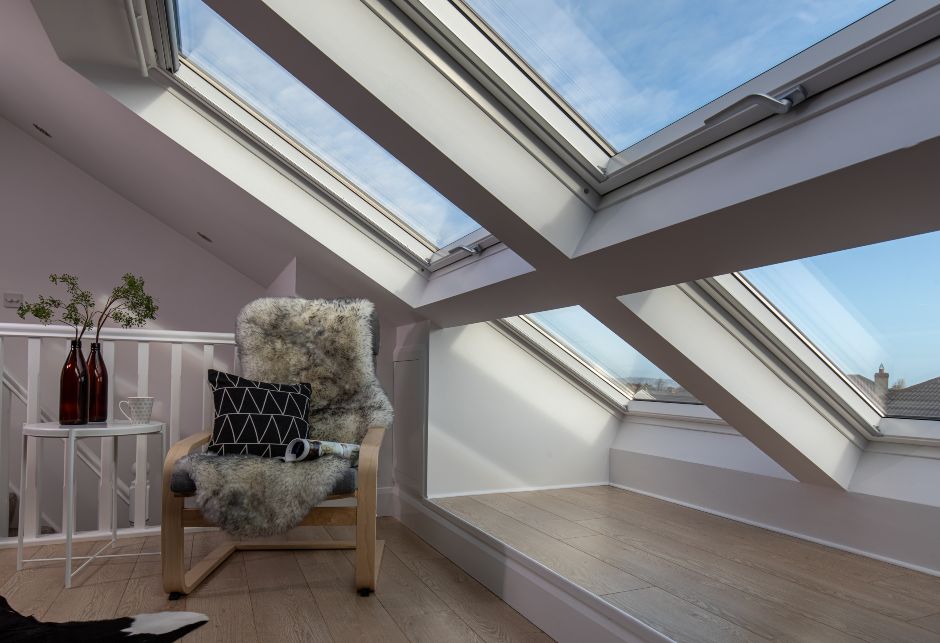
Natural light and wellbeing: Skylights deliver three times more light than a vertical window of the same size. That matters in south-facing rooms or open-plan areas where wall windows are limited.
Reduced electricity use: Homes with well-placed skylights use less artificial lighting during the day. Ventilating models also reduce reliance on air conditioning by allowing hot air to escape through the roof.
Property value: Real estate data consistently shows that well-executed skylights increase buyer appeal and sale price. A Velux unit with proper flashing and a clean installation looks premium and signals good quality construction.
Energy ratings: Velux double-glazed units contribute positively to a home’s NatHERS energy rating, which matters for new builds and major renovations across Australia.
Additional practical benefits include:
- Rain sensors on electric models close the skylight automatically, protecting your home during sudden storms.
- Velux blinds and covers integrate directly into the frame, giving you light control without a separate fitting job.
- A 10-year product warranty is standard on most Velux models sold in Australia.
- Laminated or tempered safety glass options meet Australian building code requirements for overhead glazing.
Check Climate and Building Code Requirements in NSW, QLD, and ACT
Australia’s climate zones affect which skylight you should choose and how it must be installed. Getting this wrong causes condensation, heat gain, or water ingress within a few years.
The table below outlines key considerations by region:
| Region | Climate Challenge | Recommended Glazing | Best Model Type |
|---|---|---|---|
| Sydney and coastal NSW | High UV, humid summers | Double-glazed, low-e coating | Solar ventilating or fixed |
| Western NSW (inland) | Extreme heat, cold nights | Double-glazed, argon fill | Fixed with blockout blind |
| South East QLD (Brisbane area) | Subtropical, heavy summer rain | Double-glazed, toughened | Electric with rain sensor |
| North QLD | Cyclone risk zones, high humidity | Laminated safety glass | Fixed only (cyclone rated) |
| ACT (Canberra) | Cold winters, frost, high UV | Double-glazed, low-e | Fixed or solar ventilating |
In NSW, skylight installations must comply with the National Construction Code (NCC) and any relevant local council development controls. Most residential skylight jobs fall under exempt development, meaning no DA is required, but there are size and placement rules.
In QLD, homes in cyclone-affected areas (Wind Region C or D) must use cyclone-rated products with certified flashing. This applies to parts of North Queensland and some coastal areas. Always confirm with your installer before purchasing a unit.
In ACT, thermal performance requirements are stricter than most of NSW due to Canberra’s cold winters. Double-glazed Velux units with a low-e coating are strongly recommended to avoid condensation and heat loss through the roof.
Identify Common Installation Problems to Avoid
A quality product can still fail if it is installed incorrectly. These are the most common issues Five Star Roofing sees when called to fix a previous installer’s work.
- Incorrect flashing: Velux supplies custom flashing kits for different roof profiles (metal, terracotta, concrete tile, slate). Using a generic flashing or improvising the detail almost always leads to leaks within one to three years.
- Wrong roof pitch: Most Velux roof windows require a minimum pitch between 15 and 85 degrees. Installing on a flat or near-flat roof without a purpose-built kerb mount unit is a code violation and a waterproofing failure waiting to happen.
- No vapour barrier or inadequate ceiling box: In cooler climates like ACT and the Southern Highlands of NSW, a poorly insulated ceiling box around the shaft causes condensation and mould inside the tunnel.
- Wrong orientation: North-facing skylights in Australia bring in the most light year-round. East and west-facing installations can cause excessive heat gain in summer without the right glazing or blind.
- DIY installation: Velux recommends and most building codes require that skylight installation be carried out by a licensed builder or qualified roofer. An unlicensed install may void your product warranty and home insurance.
Getting a licensed roofer to do the job properly the first time is almost always cheaper than fixing a leak two years later after ceiling damage has already occurred.
Find Out If Velux Skylights Add Value to Your Home
From a property investment perspective, Velux skylights are one of the higher-return home improvements you can make. They are a visible, tangible upgrade that buyers notice immediately during inspections.
A well-lit home photographs better, presents better, and sells faster. Skylights in kitchens, living areas, and bathrooms are particularly valued by buyers in Sydney and Brisbane, where indoor-outdoor living is a major lifestyle priority.
On the energy side, ventilating skylights reduce stack effect heat build-up in summer. A home with operable skylights at the ridge and lower-level windows can use cross-ventilation to cool rooms without running air conditioning, which directly reduces power bills.
For homeowners in Canberra and the ACT, where heating costs in winter are significant, a well-placed north-facing fixed skylight with a double-glazed unit acts as a passive solar collector, warming the room naturally during the day.
Five Star Roofing has installed Velux skylights across Sydney, the Hunter Valley, and the Central Coast. The most common feedback from clients is that they wish they had done it sooner, particularly in dark hallways and compact city terrace homes where wall windows are not possible.
FAQs on Velux Skylights Australia Worth It
How long do Velux skylights last in the Australian climate?
Velux skylights are designed to last 20 to 30 years with minimal maintenance. The UV-stabilised glazing and powder-coated or timber frames are tested for Australian conditions. Flashing and seals should be inspected every five to seven years by a licensed roofer.
Do Velux skylights leak?
A correctly installed Velux skylight with the right flashing kit should not leak. Leaks almost always result from incorrect installation, incompatible flashing, or wear to the flashing seal over time. If your skylight is leaking, have a qualified roofer inspect the flashing before assuming the unit itself is faulty.
Are Velux skylights suitable for tiled roofs in Australia?
Yes. Velux supplies specific flashing kits for terracotta and concrete tiled roofs, which are common across NSW and QLD. The installer must use the correct kit for the tile profile. Improvised flashing on a tiled roof is the leading cause of skylight leaks in Australia.
Do I need council approval to install a skylight in NSW or QLD?
In most cases, residential skylight installation is exempt development under the NSW Exempt and Complying Development Codes. However, heritage-listed properties, apartment buildings, and some strata schemes have additional requirements. In QLD, similar exemptions apply under the Planning Act, but cyclone zone requirements must be met. Always check with your local council or installer first.
Is a solar-powered Velux skylight worth the extra cost?
Yes, for most homeowners the solar ventilating models offer the best balance of cost and function. You get an opening skylight with no electrician required, which saves $300 to $600 on installation. The solar panel is built into the unit and charges during daylight hours, so running costs are zero.
Can Velux skylights reduce my home’s energy bills?
Yes, in two ways. First, natural daylight replaces artificial lighting for several hours a day, cutting your lighting load. Second, ventilating skylights expel hot air from the roof space and living areas, reducing air conditioning demand in summer. Savings vary by home size and climate zone but are well documented in NatHERS energy modelling.
Wrap Up and Next Steps
Velux skylights are worth installing in most Australian homes. The combination of quality materials, strong warranties, and genuine energy and lifestyle benefits makes them one of the better home improvement investments available in NSW, QLD, and ACT.
The key is getting the right model for your climate zone and having it installed by a licensed roofer with experience using Velux flashing systems. A poor installation will cost you more in repairs than you saved by cutting corners.
Five Star Roofing installs and inspects Velux skylights across Sydney and surrounding regions. Call us on +64211234567 to book a free site assessment or request a no-obligation quote for your home.