
Written by Five Star Roofing | Published on June 2025
Most roof restorations take between 2 and 5 days to complete from start to finish. The exact timeline depends on your roof size, the extent of repairs needed, the materials used, and local weather conditions across NSW, QLD, and the ACT. This article walks you through every stage of the process so you know what to expect and can plan accordingly.
Understand What Roof Restoration Actually Involves
Roof restoration is not the same as a full roof replacement. It involves cleaning, repairing, re-bedding, re-pointing, and recoating your existing roof to extend its life by 10 to 15 years.
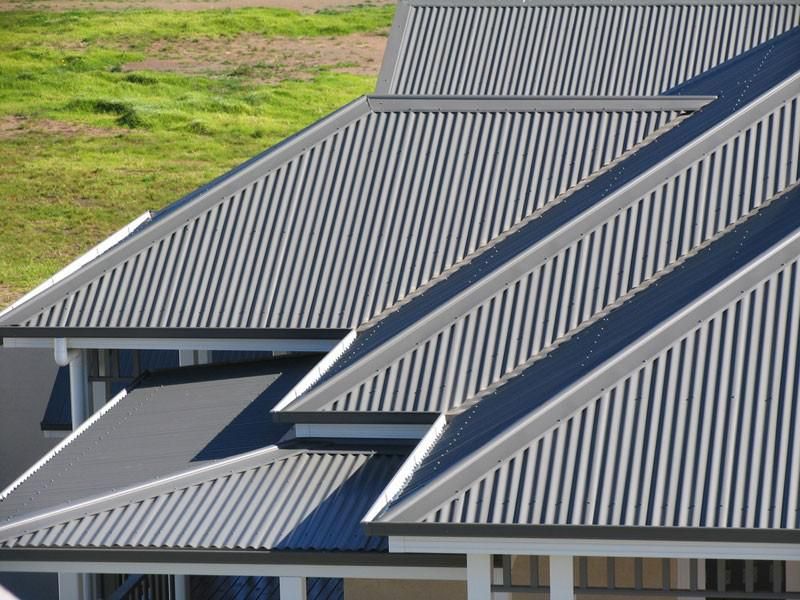
The process typically covers terracotta or concrete tiles, Colorbond metal roofs, and corrugated iron. Each material type has its own preparation and coating requirements, which affects how long the job takes.
Here is a summary of what a standard restoration includes:
- High-pressure cleaning to remove moss, lichen, and dirt
- Inspection and replacement of cracked or broken tiles
- Re-bedding and re-pointing of ridge capping
- Application of a sealer coat
- Application of one or two finish coats of roof paint
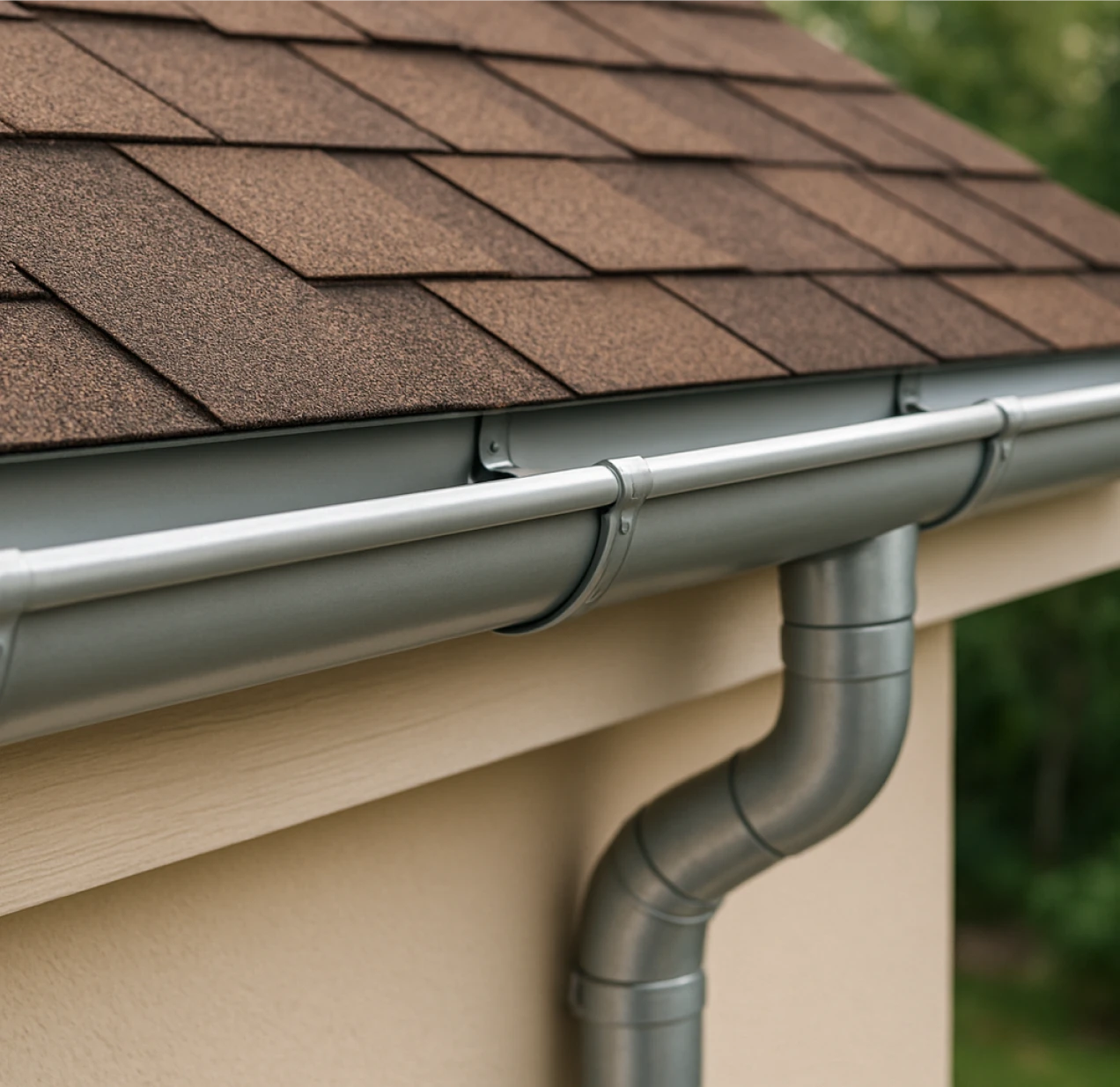
- Gutter and downpipe inspection or cleaning
Each of these steps needs drying time between them, which is one of the main reasons the job cannot be rushed.
See the Full Roof Restoration Timeline Day by Day
For a standard single-storey home with a tile roof around 150 to 200 square metres, here is a realistic day-by-day breakdown of how long roof restoration takes.
| Day | Stage | Typical Duration |
|---|---|---|
| Day 1 | High-pressure cleaning and initial inspection | 1 day |
| Day 2 | Tile repairs, re-bedding, and re-pointing ridge caps | 1 day |
| Day 3 | Drying time and sealer coat application | 1 day |
| Day 4 | First colour coat application | 1 day |
| Day 5 | Second colour coat and final inspection | 1 day |
Larger or more complex roofs, such as two-storey homes or roofs with multiple gables and valleys, can take 7 to 10 days. If significant structural repairs are needed, the timeline extends further.
At Five Star Roofing, we always provide a written schedule before work begins so you are never left guessing about the timeline on your property.
Compare Timelines Across Different Roof Types and Sizes
The type of roof you have plays a significant role in how long restoration takes. Metal roofs generally require less repair work and fewer coats than tile roofs, while older terracotta tiles often need more attention.
| Roof Type | Typical Size | Estimated Duration |
|---|---|---|
| Concrete tile (single storey) | 150-200 sqm | 3-5 days |
| Terracotta tile (single storey) | 150-200 sqm | 4-6 days |
| Colorbond metal (single storey) | 150-200 sqm | 2-3 days |
| Concrete tile (double storey) | 200-300 sqm | 6-10 days |
| Corrugated iron (older home) | 150-250 sqm | 4-7 days |
These are estimates for roofs in reasonable condition. A roof that has not been maintained for 15 or 20 years will likely need extra repair time at the start of the project.
Learn What Can Slow Down a Roof Restoration in NSW, QLD, and the ACT
Several factors can push your roof restoration beyond the standard 2 to 5 day window. Knowing these in advance helps you set realistic expectations and plan your schedule.
Weather is the biggest variable. Roof coatings need dry conditions and temperatures above around 10 degrees Celsius to cure properly. In Sydney and the greater NSW region, autumn and spring are the most reliable seasons for restoration work.
In Queensland, the wet season from November through March can cause significant delays. Heavy rainfall in Brisbane and the Sunshine Coast during this period makes exterior coating work impractical. Most QLD homeowners schedule restorations between April and October for this reason.
In the ACT, cold winters and occasional frosts in Canberra can slow drying times considerably. Coatings applied in very low temperatures may not cure correctly, so Five Star Roofing recommends scheduling ACT jobs in the warmer months where possible.
Other factors that extend the timeline include:
- Extensive cracked or broken tiles requiring individual replacement
- Severe moss or lichen growth needing multiple cleaning passes
- Repointing work that needs extended curing time before painting
- Scaffolding requirements for steep or high roofs
- Discovery of structural issues like damaged battens or sarking
- Material delivery delays for specific tile colours or coatings
A thorough inspection before work starts is the best way to catch these issues early and build them into the timeline.
Understand the Drying and Curing Process Between Coats
One of the most common questions homeowners ask is why crews cannot simply apply all coats in a single day. The answer comes down to drying and curing chemistry.
Roof sealers and paints need adequate time to dry between coats. Applying a second coat too early traps moisture underneath, which leads to peeling, bubbling, and premature coating failure. That defeats the entire purpose of the restoration.
Most quality roof coatings used in Australia, including products from brands like Dulux AcraTex, Shieldcoat, and Nutech, specify a minimum of 4 to 8 hours between coats under ideal conditions. Humid or overcast days extend this to 12 hours or more.
Re-pointing mortar on ridge capping needs a full 24 to 48 hours to cure before painting over it. Rushing this step is one of the most common causes of early restoration failures in older homes across NSW and QLD.
Proper drying time is non-negotiable for a result that lasts. A quality restoration done correctly should protect your roof for 10 to 15 years.
Know What Happens After the Restoration Is Complete
Once the final coat is applied and your roof is signed off, there are a few things worth knowing about the post-restoration period.
Most coatings reach full hardness within 7 to 14 days of application, even though they feel dry to the touch within hours. During this curing period, avoid walking on the roof where possible and allow rain to wash naturally without pressure hosing.
Your contractor should provide you with a written warranty covering both the workmanship and the coating product. At Five Star Roofing, our restorations come with a workmanship warranty, and we use coatings that carry manufacturer warranties of up to 10 years.
After the job is done, keep an eye out for the following in the weeks that follow:
- Check your gutters after the first rainfall to confirm they are clear and flowing correctly.
- Look for any water entry points around skylights, vents, or chimneys.
- Note whether any ridge caps have shifted or show cracking, which can occasionally happen as new mortar settles.
- Keep a record of your restoration date to plan future maintenance inspections every 3 to 5 years.
Scheduling a follow-up inspection 12 months after the restoration is a smart habit that catches minor issues before they become costly ones.
FAQs on How Long Roof Restoration Takes
Can a roof restoration be done in one day?
For very small roofs in excellent condition, some basic restoration work can be completed in a single day. However, a full restoration including cleaning, repairs, sealing, and two colour coats requires at least 2 to 3 days minimum to allow proper drying between stages. Rushing the process leads to coating failure.
Do I need to stay home while the roof is being restored?
You do not need to be home during the work itself. Most homeowners simply confirm access arrangements with the contractor at the start. You will need to ensure vehicles are moved from driveways and that pets are kept inside or away from the property during the cleaning and coating stages.
How long does roof restoration take in wet weather or winter?
Rain and cold temperatures can pause work entirely. If rain is forecast, most crews will not apply coatings that day. In ACT winters or during Queensland’s wet season, a job that normally takes 4 days could stretch across 1 to 2 weeks due to weather delays. Always ask your contractor how they handle weather interruptions.
How long does the restoration coating take to fully dry?
Most roof coatings are touch-dry within 2 to 4 hours under good conditions. Full curing, where the coating reaches maximum hardness and weather resistance, takes 7 to 14 days. During this period the coating is durable enough to handle normal rain but should not be subjected to heavy foot traffic or pressure washing.
Does scaffolding add time to a roof restoration project?
Yes. If your roof requires scaffolding due to height or pitch, factor in an additional half to full day for scaffolding installation and removal. Some contractors in NSW and QLD use rope access systems as an alternative for certain roof types, which can reduce this extra time.
How long after roof restoration can it rain?
Light rain after 4 to 6 hours is generally not a problem for modern acrylic roof coatings. Heavy rain within the first 2 hours of application can wash the coating away and require the coat to be reapplied. Your contractor will monitor forecasts closely and plan coat application around predicted dry windows.
Wrap Up and Next Steps
So, how long does roof restoration take? For most Australian homes, the answer is 2 to 5 days under good conditions, with larger or more complex roofs taking up to 10 days. Weather, roof size, material type, and the condition of your roof all play a role in the final timeline.
Planning ahead and choosing an experienced local contractor makes the biggest difference in keeping the project on schedule and getting a result that lasts. Five Star Roofing works with homeowners across NSW, QLD, and the ACT to deliver quality restorations on time and with full transparency throughout the process.
Ready to get a clear timeline and quote for your roof? Call Five Star Roofing today on +64211234567 or reach out online to schedule a free roof inspection and written quote for your property.