
Written by Five Star Roofing | Published on June 2025
Australian homeowners should inspect and maintain their roofs at least twice a year, with additional checks after major storms or extreme heat events. A consistent maintenance schedule can add 10 to 20 years to your roof’s lifespan and help you avoid repair bills that can run into the tens of thousands of dollars.
This guide covers what to check, when to check it, and how conditions in NSW, QLD, and the ACT affect your maintenance priorities. Whether your home is battling coastal salt air in Sydney or cyclone season in Queensland, this schedule is designed to keep your roof performing year-round.
Understand Why Australian Roofs Need Regular Maintenance
Australia’s climate is brutal on roofing materials. UV radiation here is among the highest in the world, which breaks down sealants, fades coatings, and dries out timber structures faster than in most other countries.
In Queensland, the wet season brings heavy rainfall, high humidity, and the risk of cyclones. In NSW and the ACT, you are dealing with harsh summer heat, occasional hailstorms, and cooler winters that cause materials to expand and contract repeatedly.
Each of these stresses creates specific failure points. Ignoring them means small problems, like a cracked tile or a blocked gutter, can turn into major leaks, structural damage, or mould growth inside your ceiling cavity.
Regular maintenance is not just about aesthetics. It protects your home’s structural integrity, your insurance eligibility, and the resale value of your property.
Follow a Seasonal Roof Maintenance Schedule
A structured schedule removes the guesswork. Here is a practical breakdown of what to do each season across NSW, QLD, and the ACT.
| Season | Timing | Key Tasks | Priority Regions |
|---|---|---|---|
| Autumn | March to May | Clear gutters of leaves, check flashings, inspect for storm damage from summer | NSW, ACT, QLD |
| Winter | June to August | Check for leaks after rain, inspect insulation, clear moss growth | ACT (frost risk), NSW (cold snaps) |
| Spring | September to November | Full roof inspection, reseal penetrations, check ventilation | All regions |
| Summer | December to February | Pre-storm prep in QLD, check for UV damage, clear debris after storms | QLD (cyclone season), NSW (heat events) |
Spring is generally the best time for a full professional inspection across all three regions. You are coming out of winter and heading into summer, so any issues discovered can be fixed before the most demanding season begins.
In Queensland, add a pre-wet-season check in October or November as a non-negotiable step. Cyclone-rated fasteners, ridge cappings, and sealed valleys are all worth verifying before the rain arrives.
Inspect These Key Areas Every Six Months
A roof inspection does not have to be exhaustive every time. Focusing on the highest-risk areas saves time while still catching problems early. Here is what to look for during each check.
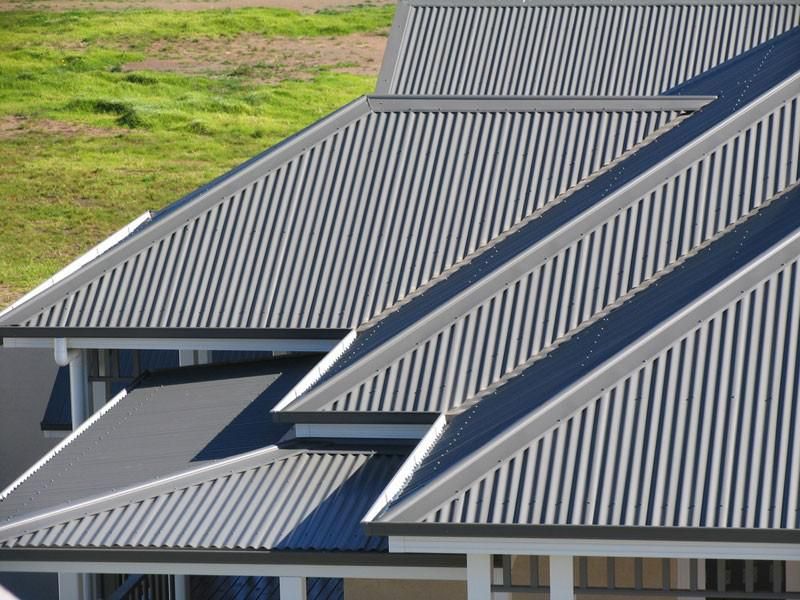
- Tiles and sheets: Look for cracked, slipped, or missing tiles on terracotta and concrete roofs. On Colorbond or corrugated metal roofs, check for rust spots, lifted sheets, or damaged fasteners.
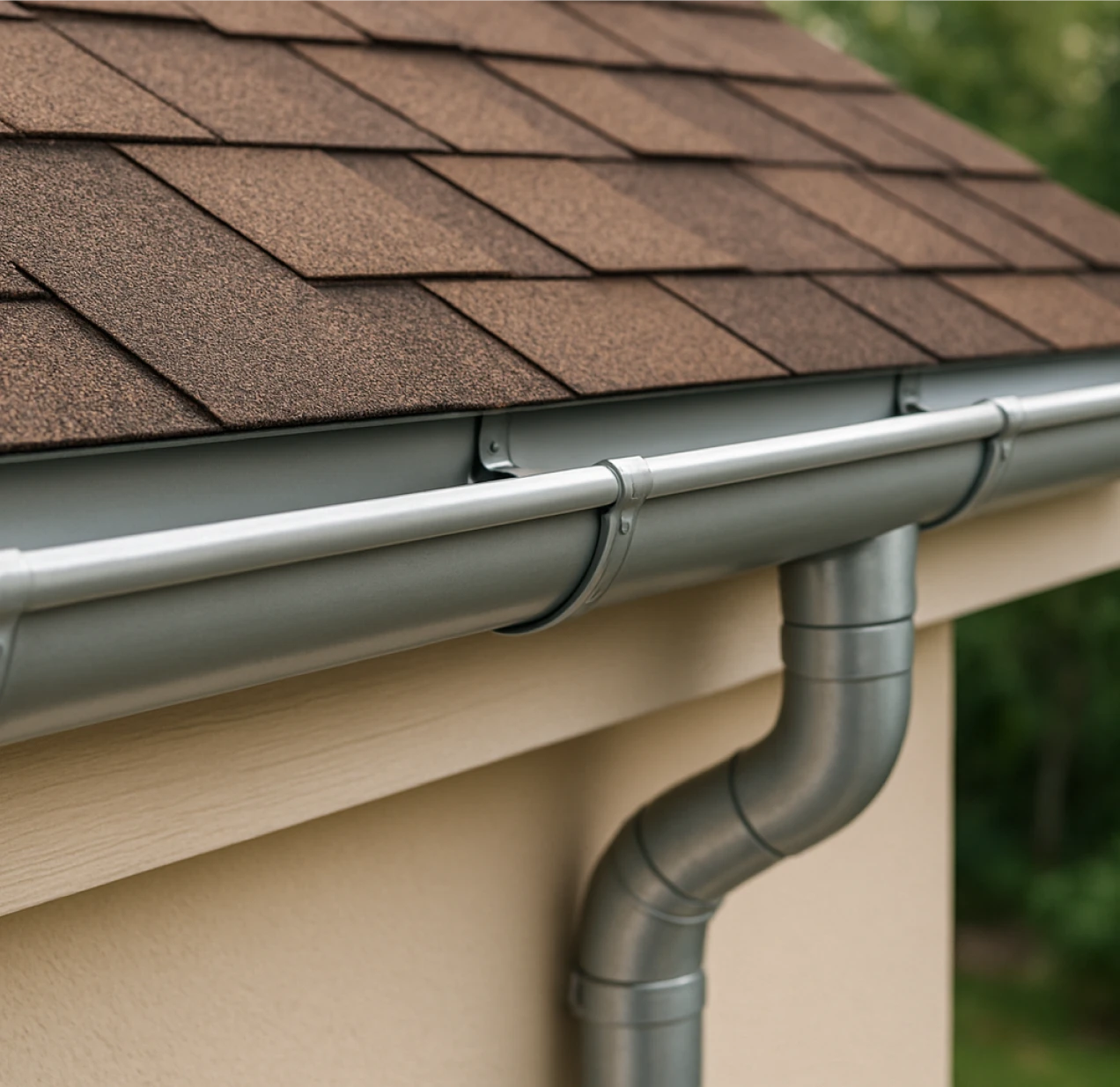
- Gutters and downpipes: Clear all leaf matter and debris. Check that gutters are not sagging or pulling away from the fascia board. Make sure downpipes are draining freely.
- Flashings: Metal flashings around chimneys, skylights, valleys, and roof penetrations are common leak points. Look for rust, lifting, or cracked sealant.
- Ridge capping: Mortar-bedded ridge capping on tiled roofs cracks over time. Loose or hollow sections can allow water ingress and need repointing or replacement.
- Roof penetrations: Pipe boots, antenna mounts, solar panel fixings, and ventilation pipes all create holes in your roofing surface. Each one needs to be sealed and checked regularly.
- Moss and lichen: Common in shaded or high-moisture areas, especially in the ACT and southern NSW. Moss retains moisture and can lift tiles or degrade roofing materials over time.
If you are not comfortable going on your roof, that is completely fine. Five Star Roofing offers inspection services across Sydney, regional NSW, QLD, and the ACT. A professional set of eyes will catch things that are easy to miss from the ground.
Compare Maintenance Costs vs Repair Costs
One of the most common questions homeowners ask is whether routine maintenance is really worth it. The short answer is yes, significantly. Here is a realistic cost comparison to put it in perspective.
| Task | Maintenance Cost (approx.) | Repair Cost if Neglected (approx.) |
|---|---|---|
| Gutter cleaning | $150 to $300 per clean | $2,000 to $8,000 for water damage to fascias and eaves |
| Repointing ridge capping | $500 to $1,500 | $3,000 to $10,000 for leak damage and structural repairs |
| Resealing flashings | $200 to $600 | $5,000 to $15,000 for ceiling and wall damage |
| Replacing a few broken tiles | $150 to $400 | $1,500 to $6,000 for water damage to ceiling and insulation |
| Annual professional inspection | $200 to $500 | Full roof replacement: $15,000 to $35,000+ |
These figures are estimates based on typical Sydney and broader NSW, QLD, and ACT market rates in 2025. Costs can vary based on roof size, pitch, access difficulty, and material type. The pattern is consistent though. Small maintenance spend prevents massive repair bills.
Know the Regional Differences Across NSW, QLD, and the ACT
A one-size-fits-all approach does not work for Australian roofing. Your location shapes what problems you are most likely to face and what your maintenance schedule should prioritise.
New South Wales: Sydney and surrounds face a combination of coastal salt air, summer heat, and occasional severe storms. Salt accelerates corrosion on metal roofing and flashings, so coastal homeowners should inspect Colorbond and zincalume surfaces more frequently. Western NSW deals with extreme heat and dust, which degrades sealants faster.
Queensland: The wet season is the defining maintenance challenge. Homes in South East Queensland should follow the Building Code of Australia cyclone zone requirements if applicable, and check that roof-to-wall connections are secure. After Tropical Cyclone Debbie in 2017, many QLD homeowners learned the hard way that poorly maintained ridge cappings and flashings fail quickly under storm loading.
Australian Capital Territory: Canberra and surrounding areas experience genuine cold winters, including frost and occasional snow on elevated properties. Moss and lichen growth is more prevalent here than in warmer regions. Timber sarking and insulation under the roof cladding should be inspected regularly for moisture damage.
Schedule Professional Inspections at the Right Intervals
DIY checks are valuable, but they have limits. A licensed roofing contractor can access every part of your roof safely, identify structural issues, and provide a written report that is useful for insurance claims and property sales.
Here is a simple guide to how often you should book a professional inspection based on your roof type and age.
- Roofs under 10 years old: Professional inspection every 2 years, plus a DIY check each season.
- Roofs aged 10 to 20 years: Professional inspection annually. This is when most materials start showing wear and hidden issues begin to appear.
- Roofs over 20 years old: Professional inspection every 6 to 12 months. Older roofs need close monitoring, especially if you have not yet replaced the valley iron, ridge bedding, or roof sarking.
- After any major storm: Book an inspection regardless of age. Hail, high winds, and debris can cause damage that is not visible from the ground.
Five Star Roofing provides professional roof inspections across Sydney, the Central Coast, Newcastle, Brisbane, and Canberra. Our team provides a clear written report with photos so you know exactly what your roof needs and what it can wait on.
Maintain Your Gutters and Drainage Systems Separately
Gutters deserve their own section because they are the most neglected part of any roof system and often the first to cause internal damage. Blocked gutters overflow back under the roof edge, saturate fascias, and can cause rot within months.
Australian gum trees are the main culprit in most suburban areas. Eucalyptus leaves, bark, and seed pods block gutters quickly, especially in autumn. If you have large gum trees nearby, you may need to clean gutters three or four times a year rather than twice.
Gutter guard products like Klip-Lok inserts or mesh systems can reduce how often cleaning is needed. They do not eliminate maintenance entirely, as fine debris still accumulates on top. But they significantly reduce blockage risk.
In the ACT and parts of southern NSW, check that your gutters are not sagging under the weight of waterlogged debris or pooling water in winter. Sagging gutters pull away from fascias and can cause water to run down the exterior walls instead of away from the house.
FAQs on Roof Maintenance for Australian Homes
How often should I have my roof inspected in Australia?
At minimum, arrange a professional roof inspection once a year. Older roofs, roofs in storm-prone areas of QLD, and roofs near large trees may benefit from inspections every six months. Always book an inspection after a major hail or wind event regardless of your regular schedule.
What is the most common cause of roof leaks in NSW homes?
Failed flashings and cracked or slipped ridge capping are the two most common sources of leaks on NSW homes. Flashings around chimneys, skylights, and valleys break down from UV exposure and thermal movement. Ridge capping mortar dries out and cracks over time, especially on older terracotta tile roofs.
Do I need a licensed contractor to inspect my roof in Queensland?
You are not legally required to use a licensed contractor for an inspection, but all repair work must be carried out by a licensed Queensland building contractor. Given the cyclone risk in parts of QLD, using a licensed professional for inspections is strongly recommended. They understand cyclone-zone requirements and can identify compliance issues.
How can I tell if my roof has hail damage after a storm?
Signs of hail damage include dents or pitting on metal roofing and gutters, cracked or chipped tiles, bruised asphalt shingles (if applicable), and damaged skylights or roof vents. If you notice any of these, book an inspection promptly. Some hail damage is not visible from the ground and only shows up on close inspection.
Is moss on my roof a serious problem in the ACT?
Yes, moss is worth treating promptly. It holds moisture against roofing materials, which accelerates decay in timber structures and can lift the edges of tiles. In the ACT where humidity and shade are common, moss treatments using low-pressure washing and biocide application are recommended every two to three years.
Does roof maintenance affect my home insurance in Australia?
It can. Most home insurance policies in Australia include a maintenance exclusion clause. This means if a claim arises from damage that was caused by a lack of maintenance, your insurer may reduce or reject the payout. Keeping records of your inspections and repairs is a smart way to protect your coverage.
Wrap Up and Next Steps
A reliable roof maintenance schedule is one of the most cost-effective investments you can make as a homeowner. Twice-yearly inspections, seasonal gutter cleaning, and prompt repairs to flashings and ridge capping can add decades to your roof’s life and save you from major repair bills.
If you are in Sydney, regional NSW, Queensland, or the ACT and are not sure where to start, Five Star Roofing is here to help. Call us on +64211234567 to book a professional roof inspection or request a quote. Our team will assess your roof, explain what needs attention, and give you a clear plan with no pressure and no jargon.