
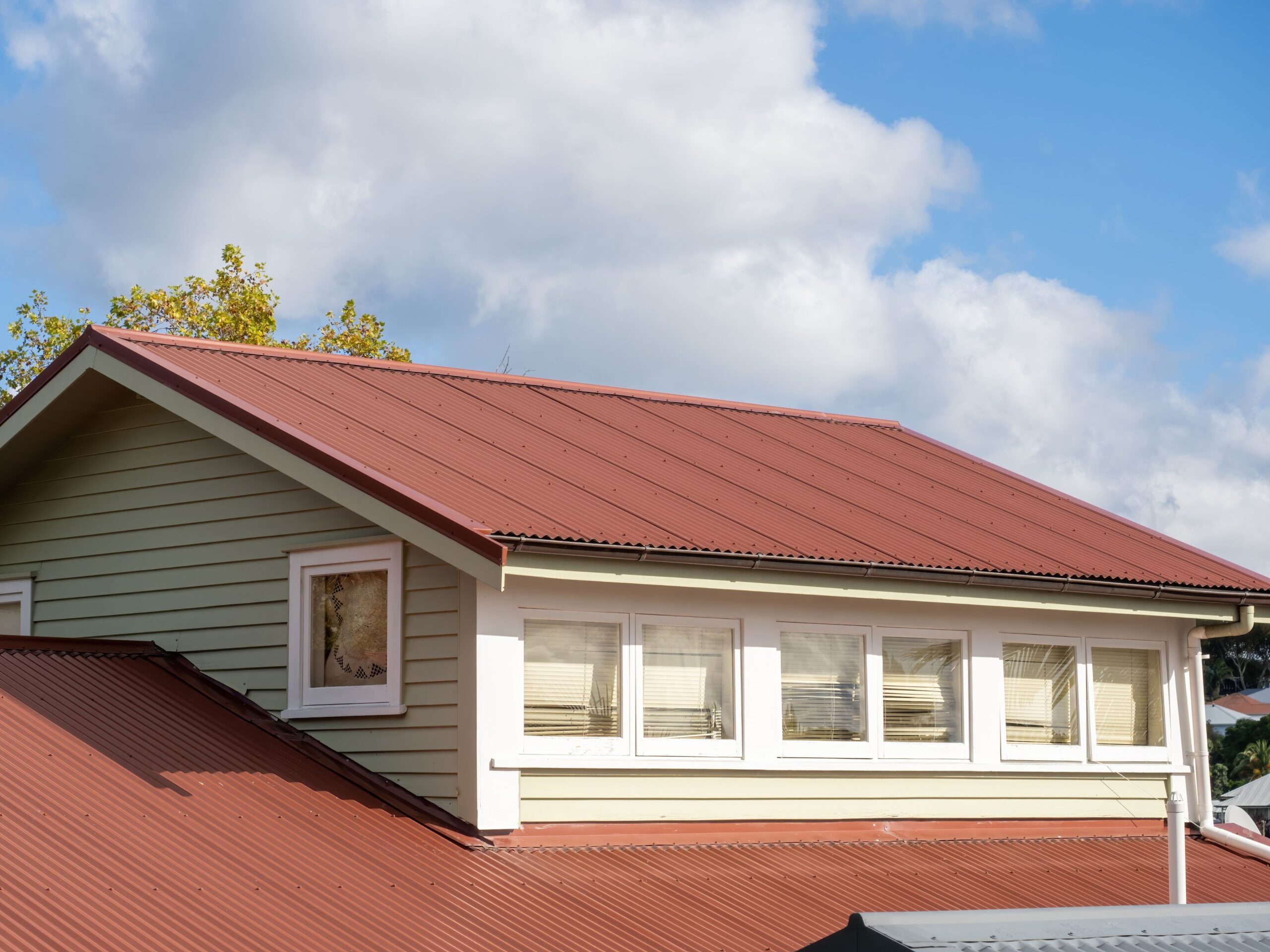
Written by Five Star Roofing | Published on June 2025
For most Australian homes, Colorbond steel roofing costs between $50 and $70 per square metre installed, while concrete or terracotta tiles typically range from $80 to $120 per square metre. Both are solid choices, but the right answer depends on your climate, budget, and home style.
This guide covers the key differences in cost, durability, energy efficiency, and maintenance for homeowners across NSW, QLD, and ACT. By the end, you will know exactly which roofing type suits your home and your budget.
Compare Costs: Colorbond vs Tile Roofing in Australia
Price is usually the first thing homeowners ask about, and it is a fair starting point. Colorbond roofing is generally the more affordable option upfront, especially for larger homes with simple roof lines.
Tile roofing costs more to install because of the labour involved in laying individual tiles and the structural support required. However, tiles can add perceived value in certain markets, particularly heritage suburbs in Sydney and Canberra.
| Roofing Type | Supply and Install (per m2) | Average 200m2 Roof Total | Lifespan |
|---|---|---|---|
| Colorbond Steel | $50 to $70 | $10,000 to $14,000 | 40 to 70 years |
| Concrete Tiles | $80 to $100 | $16,000 to $20,000 | 50 to 60 years |
| Terracotta Tiles | $100 to $120 | $20,000 to $24,000 | 50 to 100 years |
These are indicative ranges. Your actual cost will vary based on roof pitch, access difficulty, and the specific contractor you choose. Five Star Roofing provides free, itemised quotes so you know what you are paying for before any work begins.
Understand How Each Material Handles Australian Climates
Australia does not have one climate. It has many. The roofing material that works brilliantly in Brisbane may not be the best fit for a cold Canberra winter or a coastal Sydney suburb.
Colorbond steel is engineered specifically for Australian conditions. BlueScope Steel developed the Colorbond range with local weather extremes in mind, including UV radiation, salt air, and thermal cycling.
- QLD and Northern NSW (hot, humid): Colorbond with a light colour reflects heat and reduces cooling costs. Tiles absorb more radiant heat but offer better thermal mass overnight.
- ACT and Southern NSW (cold winters): Tiles hold warmth better due to their mass. However, Colorbond with quality insulation performs just as well in most residential settings.
- Coastal NSW (salt air, storms): Colorbond’s Activate technology provides strong corrosion resistance. Tiles can crack or lift in severe coastal storms if not well maintained.
- Bushfire-prone zones: Both materials can achieve BAL ratings. Colorbond is non-combustible and is commonly specified in Bushfire Attack Level (BAL) assessments across NSW and ACT.
If your property sits in a high BAL zone, check your local council requirements before choosing a material. Five Star Roofing can advise you on compliance for properties across NSW, QLD, and ACT.
Compare Durability and Long-Term Maintenance
Both materials are durable, but they age differently and require different types of maintenance. Understanding this upfront can save you significant money over the life of your roof.
| Factor | Colorbond Steel | Concrete Tiles | Terracotta Tiles |
|---|---|---|---|
| Impact resistance | High (dents but rarely cracks) | Moderate (can crack under load) | Moderate (brittle if walked on) |
| Wind resistance | Excellent (fixed panels) | Good (bedded and pointed) | Good (bedded and pointed) |
| Maintenance frequency | Low (inspect every 5 years) | Medium (rebed every 15 to 20 years) | Medium (repointing every 20 years) |
| Moss and lichen growth | Minimal | Common (especially in shade) | Moderate |
| Repainting or recoating | Every 15 to 20 years | Every 10 to 15 years (if painted) | Rarely needed |
Concrete tiles are particularly prone to moss and algae growth in shaded areas across coastal NSW and the greater Sydney basin. This is not purely cosmetic. Moss retains moisture and can accelerate deterioration of the mortar bed underneath.
Terracotta tiles are arguably the most durable of all three options. Some Federation-era homes in Sydney still have original terracotta tiles that are over 100 years old and in reasonable condition.
Explore Energy Efficiency and Insulation Performance
Your roof is the largest surface exposed to the sun. The material you choose has a direct impact on your heating and cooling bills, and this matters a lot across the different climates in NSW, QLD, and ACT.
Colorbond steel on its own has very low thermal mass. This means it heats up fast during the day and cools quickly at night. Without insulation, a steel roof can make your home uncomfortable in both summer and winter.
- Pairing Colorbond with a quality sarking layer and bulk insulation (R3.0 or higher) dramatically improves thermal performance.
- Colorbond colours matter. Shale Grey and Surfmist reflect more heat than Monument or Night Sky. This is particularly relevant in QLD and Western Sydney.
- Tiles have natural thermal mass, which smooths out temperature peaks. Your home stays cooler longer during the day and holds warmth longer at night.
- Under the NCC (National Construction Code), all new roofs in Australia must meet minimum insulation requirements regardless of material type.
In practical terms, a well-insulated Colorbond roof and a well-insulated tile roof will perform similarly for most homeowners. The insulation installation matters as much as the material itself.
Consider Aesthetic Appeal and Heritage Requirements
Roofing is not just functional. It defines the look of your home from the street. Your choice of material should work with your home’s architectural style, your street, and any local heritage requirements.
Colorbond comes in 22 standard colours and suits modern, contemporary, and rural homes extremely well. It is the dominant choice for new residential builds in NSW, QLD, and ACT since the 1990s.
Tile roofing suits Federation, Californian Bungalow, and Mediterranean-style homes. Many inner-city Sydney suburbs and parts of Canberra have heritage overlays that require tile roofing or restrict the use of metal cladding on streetside facades.
If your home sits within a heritage conservation area, check with your local council before committing to either option. Five Star Roofing regularly works with homeowners in heritage zones and can help you navigate the approval process.
Review Weight and Structural Considerations
One factor that often gets overlooked is the weight difference between these two materials. It is more significant than most homeowners realise.
- Colorbond steel weighs approximately 4 to 5 kg per square metre.
- Concrete tiles weigh between 40 and 50 kg per square metre.
- Terracotta tiles weigh between 30 and 45 kg per square metre.
This weight difference has real consequences. If you are replacing a tile roof with Colorbond, your existing roof frame may actually be over-engineered for the lighter material. That is generally fine.
If you are replacing a Colorbond roof with tiles, your structural frame may need to be assessed and potentially reinforced. This adds cost to the project and is something a qualified roofing contractor must evaluate before quoting.
For new builds in NSW, QLD, and ACT, engineers typically design the frame around the chosen roofing material from the start. This is standard practice and not something you need to worry about on a new construction project.
FAQs on Colorbond vs Tile Roofing Australia
Is Colorbond roofing better than tiles in Queensland?
Colorbond is a popular choice in QLD due to its light weight, heat-reflective colour range, and strong performance in cyclonic wind events. However, tiles are still common in South East Queensland, particularly on older homes and larger prestige properties. The best choice depends on your specific home and location.
How long does a Colorbond roof last in Australia?
A correctly installed Colorbond roof typically lasts between 40 and 70 years. BlueScope backs many Colorbond products with a 36-year warranty against perforation. Longevity depends on correct installation, your local environment, and periodic inspections to catch issues like loose screws or sealant deterioration early.
Do tile roofs add value to a home in NSW?
Tile roofs can add perceived value in established suburbs where they are the dominant style, particularly in inner Sydney, the Hills District, and parts of Canberra. In newer estates or rural areas, Colorbond is often preferred and adds comparable value. Talk to a local real estate agent for suburb-specific advice.
Which roof is better for bushfire-prone areas in ACT?
Both Colorbond and terracotta tiles can be specified to meet Bushfire Attack Level (BAL) requirements. Colorbond is non-combustible and is often the simpler choice for BAL-29 and above ratings in the ACT and Blue Mountains. Your roofing contractor should confirm the correct specification for your BAL rating before installation begins.
Can I replace my tile roof with Colorbond without strengthening my roof frame?
In most cases, yes. Because Colorbond is significantly lighter than tiles, the existing frame is usually more than adequate. However, a structural inspection is always recommended before any full roof replacement. Five Star Roofing includes a roof frame assessment as part of its replacement quotation process.
What is the cheapest roofing option for Australian homes?
Colorbond steel is typically the most affordable option on a supply-and-install basis, starting from around $50 per square metre. Concrete tiles start from around $80 per square metre installed. For budget-conscious homeowners, Colorbond offers the best combination of low upfront cost, low maintenance, and long lifespan.
Wrap Up and Next Steps
In the colorbond vs tile roofing Australia debate, there is no single winner. Colorbond is the better choice for budget-conscious homeowners, modern builds, and properties in high-wind or bushfire-prone areas. Tiles suit heritage homes, high-mass thermal applications, and buyers who prioritise long-term aesthetics.
The best way to make this decision is to get a professional assessment of your specific home, location, and budget. Five Star Roofing serves homeowners across NSW, QLD, and ACT with honest, no-pressure advice and fully itemised quotes.
Call Five Star Roofing today on +64211234567 to schedule your free roof inspection and quote. Our team will assess your existing roof structure, discuss your options, and give you a clear recommendation based on your home, not a sales script.


