
Written by Five Star Roofing | Published on June 2025
Australian roofs need at least one thorough inspection per year, ideally twice, once before summer storm season and once after winter. Property owners in NSW, QLD, and ACT deal with wildly different conditions, from coastal humidity in Sydney to hail in Canberra and cyclonic winds in Queensland. This checklist covers every key area to inspect, what to look for, and when to call a professional.
Understand Why Annual Roof Maintenance Matters in Australia
Australia’s climate is punishing on roofing materials. UV radiation here is among the highest in the world, and the rapid temperature swings between summer and winter cause materials to expand and contract repeatedly. This stress accelerates wear on flashing, sealants, and roof sheets.
In Sydney and coastal NSW, salt-laden air corrodes metal roofing and fasteners faster than inland areas. In Queensland, the wet season from November to April dumps enormous rainfall in short periods, testing every gutter, downpipe, and roof penetration. In the ACT, freeze-thaw cycles in winter crack grout and dislodge tiles.
Neglecting annual maintenance typically turns a $300 repair into a $3,000 job or worse. The good news is that most problems are easy to spot early if you know what to look for.
Follow This Room-by-Room Interior Inspection First
Before you even look at the roof surface, check inside your home. Your ceilings and attic tell you a lot about what is happening above. Start here before spending time on the roof itself.
- Ceilings: Look for water stains, yellow or brown rings, bubbling paint, or sagging plasterboard. These are signs of an active or past leak.
- Attic or roof cavity: Check for daylight coming through gaps. Any visible light means there is a hole in the roof covering.
- Insulation: Wet or compressed insulation suggests moisture has been entering. Wet insulation also loses its thermal performance.
- Timber framing: Look for dark staining, mould growth, or soft spots on rafters and battens. Soft timber means rot has set in.
- Smells: A musty or damp smell in your ceiling space almost always points to moisture intrusion, even if there are no visible stains yet.
If you spot any of these signs indoors, document them with photos before moving to the exterior inspection. This helps a roofing professional pinpoint the source faster when they arrive on site.
Inspect These Key Exterior Roof Areas Every Year
The exterior inspection covers the roof surface, edges, and all penetrations. If your roof pitch makes it unsafe to walk on, use binoculars from the ground or hire a professional. Falls from roofs are one of Australia’s most common home accident categories.
Five Star Roofing recommends dividing the exterior check into four zones: the roof surface, the flashings, the gutters and downpipes, and the roof penetrations.
Roof Surface
- Cracked, broken, or slipped tiles on terracotta or concrete tile roofs.
- Rust spots, lifted sheets, or loose screws on Colorbond or corrugated iron roofs.
- Blistering, cracking, or missing granules on asphalt shingles (common in some QLD properties).
- Lichen, moss, or algae growth, which holds moisture against the surface and accelerates degradation.
- Any areas where the roof surface looks uneven or has dipped, which can indicate structural movement below.
Flashings
Flashings are the metal strips that seal joins between the roof and walls, chimneys, skylights, and vents. They are the most common source of leaks in Australian homes. Check for lifted edges, cracked sealant, rust, or gaps where the flashing meets the surface.
Gutters and Downpipes
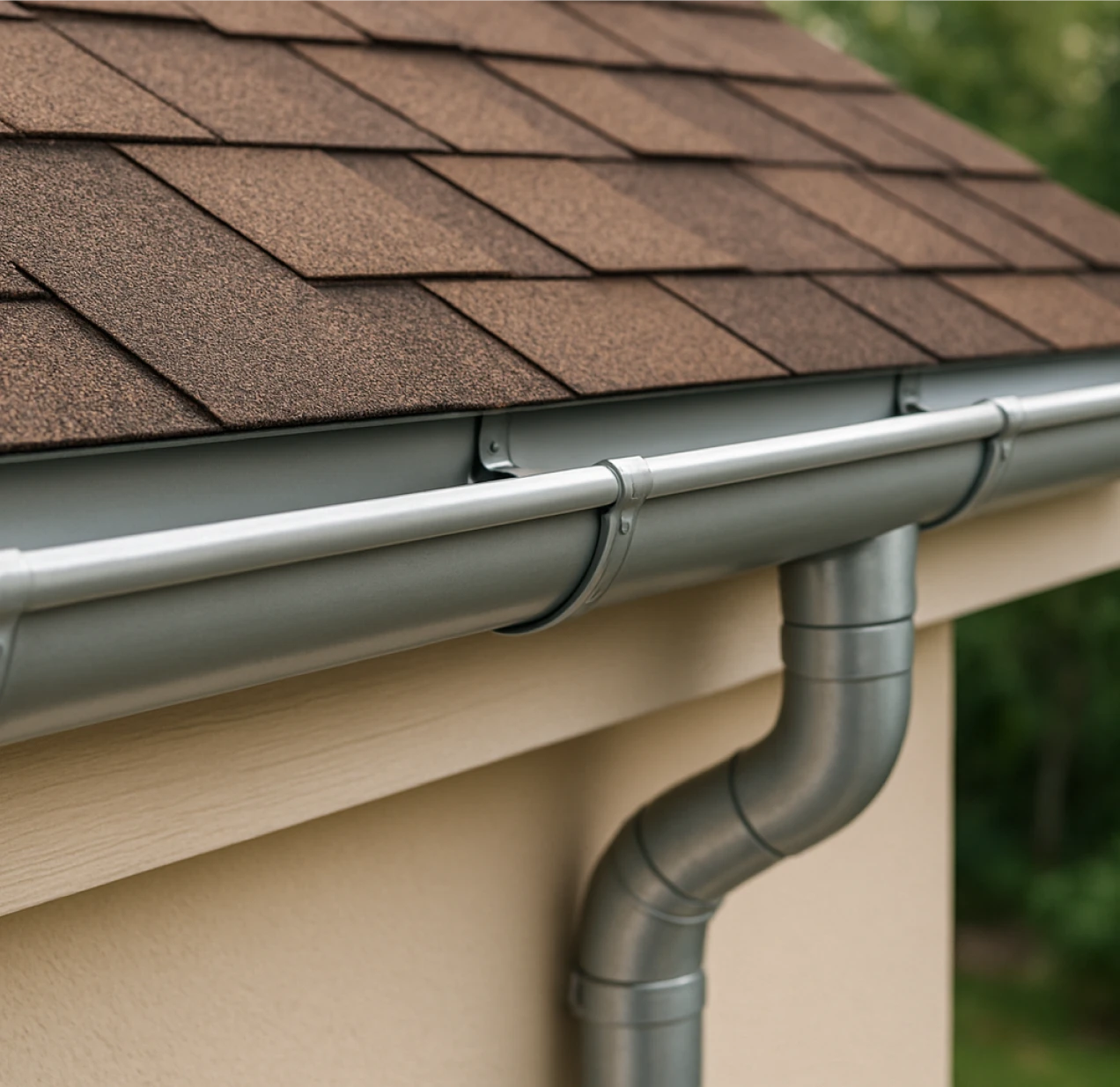
Blocked gutters are a major cause of roof damage across NSW, QLD, and ACT. Leaves, debris, and bird nests cause water to back up under the roof edge. Check that all downpipes are clear and that water discharges away from the house footings.
Roof Penetrations
Every pipe, vent, skylight, and antenna base that passes through or sits on your roof is a potential leak point. Check that all penetrations have intact rubber boots or lead flashings and that no gaps have opened around them.
Use This Maintenance Schedule Table to Stay on Track
Timing your maintenance tasks correctly makes a big difference. Some jobs suit autumn, when leaves have fallen and before summer storms arrive. Others are better done in spring. Here is a practical schedule for Australian conditions.
| Season | Task | Priority |
|---|---|---|
| Autumn (March to May) | Clear gutters and downpipes of leaves and debris | High |
| Autumn (March to May) | Inspect flashings and reseal if needed | High |
| Autumn (March to May) | Check roof surface for storm damage from summer | High |
| Winter (June to August) | Inspect attic for moisture after first heavy rains | Medium |
| Winter (June to August) | Check for cracked tiles after cold snaps (ACT especially) | Medium |
| Spring (September to November) | Full exterior roof inspection before storm season | High |
| Spring (September to November) | Clear any new growth of lichen or moss | Medium |
| Spring (September to November) | Test all downpipes with a hose to confirm drainage | Medium |
| Summer (December to February) | Inspect after major storm events | High |
| Summer (December to February) | Check ventilation in roof cavity to reduce heat buildup | Low |
Queensland property owners should treat the spring inspection as urgent given the November to April wet season. Sydney and ACT owners have more flexibility but should not skip the autumn clean after deciduous trees drop their leaves.
Compare Common Roof Maintenance Costs Across NSW, QLD, and ACT
Understanding typical costs helps you budget properly and avoid being overcharged. Prices vary by region, roof type, and the complexity of access. The figures below are realistic ranges for 2025 based on standard residential properties.
| Task | Sydney / NSW | Brisbane / QLD | Canberra / ACT |
|---|---|---|---|
| Professional roof inspection | $200 to $400 | $180 to $350 | $220 to $420 |
| Gutter clean (standard home) | $150 to $300 | $130 to $280 | $160 to $320 |
| Repoint ridge capping (per metre) | $30 to $60 | $25 to $55 | $35 to $65 |
| Replace broken tiles (per tile) | $50 to $120 | $45 to $110 | $55 to $130 |
| Flashing repair or reseal | $250 to $600 | $220 to $550 | $280 to $650 |
| Lichen and moss treatment | $300 to $700 | $280 to $650 | $300 to $700 |
These are indicative ranges only. A proper quote from a licensed roofing contractor will account for your specific roof type, pitch, and access requirements. Five Star Roofing provides free, no-obligation quotes for all maintenance and repair work across NSW, QLD, and the ACT.
Know When to DIY and When to Call a Professional
Some maintenance tasks are safe and practical to do yourself. Others require a licensed tradesperson, not just for safety but because Australian building regulations in some areas require licensed contractors for certain roof work.
In NSW, any work that involves structural roofing elements must be carried out by a licensed builder or roof plumber. In QLD, QBCC licensing rules apply to most roof repair work. The ACT follows similar licensing requirements under the Construction Occupations Act.
Tasks that are generally safe for a careful homeowner to attempt:
- Cleaning gutters from a ladder on a single-storey home.
- Removing leaves and debris from roof valleys using a soft brush on a low-pitch roof.
- Applying roof moss and lichen treatment spray from the ground using a hose attachment.
- Checking visible flashings and photographing any concerns for a professional to assess.
Tasks that require a licensed roofing professional:
- Replacing or re-laying tiles, metal sheets, or ridge capping.
- Repairing or replacing flashings around chimneys, skylights, or penetrations.
- Any work requiring walking on a steeply pitched or fragile roof surface.
- Installing or modifying gutters, fascia, or downpipes in most states.
- Any repair following storm damage, particularly if an insurance claim is involved.
If you are unsure, the safest call is always to get a professional inspection first. A good roofer will tell you honestly what needs doing now and what can wait.
Identify the Warning Signs That Need Urgent Attention
Not everything on your checklist is equally urgent. Some issues can wait for the next scheduled maintenance window. Others need attention within days to prevent serious structural damage or mould growth.
Contact a roofing professional urgently if you notice any of the following:
- Active water dripping into the home during or after rain.
- A large section of ridge capping that has shifted or collapsed.
- Multiple broken or missing tiles after a hail or wind event.
- Visible daylight through the roof cavity.
- Gutters that have completely detached from the fascia.
- Mould or mildew spreading rapidly across ceiling plasterboard.
After major storm events in Sydney, Brisbane, or Canberra, Five Star Roofing offers priority assessments for urgent damage. Do not wait weeks to get a storm-damaged roof checked. Delays almost always result in greater water damage inside the home.
FAQs on Annual Roof Maintenance in Australia
How often should I have my roof professionally inspected in Australia?
Most Australian roofing professionals recommend at least one inspection per year, with two being ideal for properties in high-risk areas. Homes in Queensland’s cyclone-prone regions or coastal NSW should be inspected before and after the wet season. Properties in the ACT benefit from a late-summer check before the freeze-thaw cycle begins.
What is the average lifespan of a roof in NSW or Queensland?
Colorbond steel roofs typically last 40 to 70 years with proper maintenance in Australian conditions. Concrete tiles last around 50 years, while terracotta tiles can exceed 100 years if the structure beneath remains sound. Asphalt shingles, more common in some QLD builds, generally last 20 to 30 years. Regular maintenance significantly extends any roof’s lifespan.
Can I claim roof maintenance on my home insurance in Australia?
Standard home insurance policies in Australia do not cover routine maintenance or gradual wear and tear. However, sudden damage caused by storms, hail, or falling trees is typically covered. Keeping records of your annual maintenance inspections can actually support an insurance claim by demonstrating the roof was well maintained before the damage event occurred.
How do I know if my roof needs repointing or just a clean?
Repointing refers to replacing the mortar that holds ridge capping tiles in place. If your mortar is crumbling, cracked, or pulling away from the surface, repointing is needed and cleaning alone will not fix it. A visual inspection from the ground with binoculars can reveal crumbling mortar. A professional can confirm the extent during an inspection.
Is lichen on my roof a serious problem?
Lichen holds moisture against the roof surface and produces mild acids that slowly degrade terracotta and concrete tiles. Left untreated for years, it can cause pitting and cracking that shortens the tile’s life. Treatment with a biocide spray followed by a gentle wash is effective. Avoid high-pressure washing as it can strip the protective surface from tiles and strip granules from metal coatings.
Do solar panels affect roof maintenance requirements?
Yes. Solar panels create shaded areas where moisture and debris accumulate more readily, increasing the risk of lichen and blocked gutters. Panels also make it harder to inspect the roof surface beneath them. If you have solar, add a specific solar panel and mounting hardware check to your annual maintenance list. Make sure your installer or roofer checks that the mounting brackets have not compromised the waterproofing beneath.
Wrap Up and Next Steps
Annual roof maintenance is the single most cost-effective thing you can do to protect your home in Australia. Catching small issues before storm season, clearing gutters before the wet, and keeping an eye on your flashings will save you thousands over the life of your roof.
If you are in Sydney, anywhere in NSW, Queensland, or the ACT, Five Star Roofing is ready to help with a thorough professional inspection and any repairs you need. Call us on +64211234567 to schedule your annual roof inspection or request a free quote. Do not wait until a leak appears, act now while repairs are still straightforward.